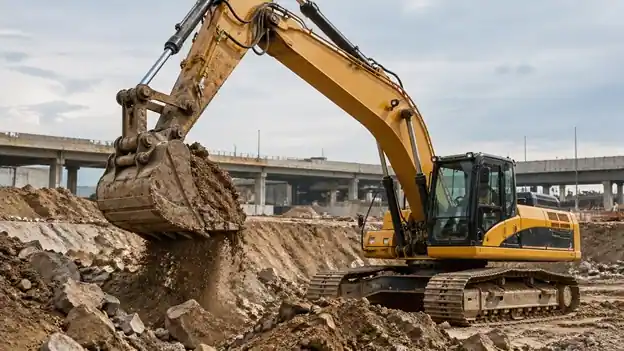
Most people notice heavy machinery when it is doing something big.
A loader moves gravel across a site. An excavator digs into the ground. A forklift lifts a pallet. A tractor works through a long day on a farm. A commercial mower cuts a large property with steady turns and smooth drive control. These machines look useful because they are strong, heavy, and built for demanding jobs.
But much of what makes them work is hidden from view.
Inside many of these machines are hydraulic systems that turn power into movement. They help equipment lift, steer, rotate, dig, push, pull, drive attachments, and move under load. When everything is working well, the machine feels smooth and dependable. When something starts to fail, the whole job can slow down.
For construction companies, farms, landscaping crews, warehouses, recycling yards, road crews, and local service businesses, hydraulic problems are not just technical details. They can affect schedules, costs, safety, and the people waiting for work to get done.
Why Heavy Machinery Depends on Hydraulic Systems
A powerful engine matters, but an engine alone does not make a machine useful.
The real work begins when that power becomes controlled movement. That is where hydraulics come in. By using pressurised fluid, hydraulic systems move force through the machine. That force can raise a loader arm, tilt a bucket, swing an excavator boom, steer equipment, power a skid steer attachment, drive a wheel motor, or help a machine keep working under load.
To someone watching from the outside, it may look simple. The operator moves a control, and the machine responds.
Behind that response is a connected system of pumps, motors, valves, hoses, cylinders, filters, fluid, seals, and fittings. When the system is healthy, nobody thinks much about it.
That changes quickly when hydraulics start to weaken. The engine may still start. The machine may still move. But if the hydraulic system is slow, leaking, overheating, or contaminated, the equipment may no longer be able to do the work people are relying on it to do.
Hydraulic Motors Are Used in More Machines Than Many People Realize
When people think about hydraulics, they often picture large excavators or construction loaders. Those are good examples, but hydraulic motors are used in many other work machines too.
They can appear in wheel-drive systems on commercial zero-turn mowers, attachment drives on skid steers and compact loaders, and movement or rotation systems in construction, agricultural, landscaping, and industrial equipment.
That range matters because hydraulic performance is not only about raw power. It is about controlled movement.
A commercial mower needs smooth wheel response and steady turning. A skid steer attachment may need reliable rotation. A compact loader may need hydraulic power to lift, tilt, or run tools. Agricultural equipment may need dependable movement during a short seasonal window. A warehouse or material-handling machine may need predictable lift or steering response to keep work moving safely.
In each case, the hydraulic system is doing quiet but essential work. It allows the machine to become more than a heavy frame with an engine. It allows it to perform a specific job with control.
Small Hydraulic Problems Can Slow the Whole Machine
Hydraulic trouble often starts quietly.
Maybe a lift feels slightly weaker. Maybe an attachment moves more slowly than it used to. Maybe a mower starts pulling unevenly. Maybe a small leak appears around a hose, fitting, or motor.
It is easy to say, “We’ll check it later.”
Sometimes later is fine. Other times, that small sign is the beginning of a bigger problem.
Common warning signs include slow or jerky movement, weak lifting power, unusual hydraulic noise, overheating, visible fluid leaks, drifting attachments, poor steering response, weak drive response, and uneven wheel movement on hydraulic-drive machines.
These symptoms do not all come from the same cause. A slow loader arm could be related to fluid level, worn seals, clogged filters, pump issues, valve problems, contamination, or worn components. A noisy system may be drawing in air, running low on fluid, or showing signs of internal wear. A hydraulic-drive mower that pulls unevenly may have a wheel motor, pump, fluid, belt, or adjustment issue.
The important thing is that hydraulic systems are connected. A problem in one area can affect performance somewhere else. That is why guessing can get expensive. Replacing one part without checking the surrounding system can lead to the same problem showing up again.
Hydraulic Motor Problems Can Affect Machine Movement
Some hydraulic issues are easiest to notice when they change how the machine moves.
A machine may have weak drive response. An attachment may rotate more slowly than usual. A work tool may lose power under load. A wheel-drive machine may pull to one side. The operator may hear new noise, feel vibration, or notice the machine running hotter than normal.
Those symptoms do not always point to one specific part, but they should be taken seriously.
If a machine has weak drive response, slow rotation, poor attachment movement, uneven wheel movement, unusual hydraulic noise, or loss of power under load, a technician may need to inspect the hydraulic motor along with fluid condition, filters, hoses, seals, pumps, belts, and related components.
That broader inspection matters because a worn motor may not be the whole story. It may have failed from age and normal wear, but it may also have been affected by dirty fluid, overheating, poor filtration, incorrect pressure, leakage, restricted flow, or another system problem.
In other words, the part may be the symptom, not the entire cause.
A better repair decision starts with understanding what changed. Did the problem appear suddenly or slowly? Does it happen only under load? Is the fluid clean? Are filters restricted? Is there heat, leakage, or pressure loss? Has the same component failed before?
Those questions help turn a quick guess into a better repair plan.
Small Leaks and Dirty Fluid Can Create Larger Costs
Many hydraulic failures do not happen all at once. They build slowly through contamination, heat, wear, and leakage.
Hydraulic systems depend on clean fluid moving through tight spaces under pressure. When that fluid becomes dirty, low, overheated, or mixed with air or water, several parts of the system can suffer at the same time.
Contamination can come from dirt, metal particles, degraded oil, water, air, or debris introduced during maintenance. A leak can let fluid escape, but it can also create a path for contamination to enter. Over time, these issues can damage seals, filters, valves, pumps, cylinders, and motors.
For the person operating the machine, the first signs may not feel dramatic. The machine may move a little more slowly. It may run hotter than usual. A small wet spot may appear underneath. An attachment may not hold position as well as it once did. A mower or compact machine may begin responding differently from one side to the other.
These signs are easy to postpone, especially when there is pressure to finish the job. But waiting too long can make the repair more complicated. A machine that is losing hydraulic performance may still work for a while, but every extra hour under strain can add risk.
Good maintenance starts with paying attention to small changes: new leaks or wet fittings, unusual heat, hydraulic noise, dirty or foamy fluid, repeated filter issues, drifting attachments, and uneven movement between sides of the machine. These details are not just mechanical observations. They are early warnings that can help a business avoid larger disruption.
Choosing Aftermarket Heavy Equipment Parts With the Right Details
When a hydraulic component needs replacement, accuracy matters.
Heavy machinery and work equipment are not one-size-fits-all. Similar-looking components can differ by machine model, serial number, mounting design, shaft type, pressure requirements, port layout, flow requirements, displacement, rotation direction, and application. A part that looks close in a photo may still be wrong once it reaches the repair bay.
That is why parts sourcing should not depend on appearance alone.
When equipment owners compare aftermarket heavy equipment parts, the safest approach is to match the component to the machine model, system requirements, mounting details, pressure ratings, and service history instead of relying on a visual match.
Suppliers such as Fab Heavy Parts show how aftermarket catalogs can organize components by equipment type, system, and maintenance need, but accurate machine details are still what make those catalogs useful.
Before ordering replacement hydraulic components, owners and repair teams should gather the machine make and model, serial number, existing part number, photos of the removed component, shaft and mounting details, port layout, operating requirements, service history, and notes from the diagnosing mechanic. When details such as displacement, motor type, or rotation direction are known, they should be included as well.
This can feel like extra work when a machine is already down. But it often saves time. A wrong-fit part can delay the repair, increase labour time, create return issues, and keep the machine out of service longer than necessary.
In heavy equipment repair, speed matters. But speed without accuracy can make the problem worse.
Why Maintenance Planning Matters Beyond the Jobsite
When a machine stops, the impact does not stay with the machine.
If a loader is down, a crew may wait. If a forklift cannot lift, warehouse movement slows. If a tractor loses hydraulic power, farm work may fall behind. If a commercial mower loses drive control, a landscaping crew may miss part of the day. If a recycling or materials-handling machine is out of service, daily operations become less efficient.
That is why hydraulic maintenance is not only a technical concern. It is part of planning.
Owners and managers can reduce avoidable downtime by building simple habits: checking fluid levels and condition, replacing filters on schedule, keeping fill areas clean, inspecting hoses and fittings, training operators to report changes, tracking part numbers and service records, investigating leaks early, planning service before busy periods, and keeping photos or notes from previous repairs.
None of these habits can prevent every failure. Heavy machines and work equipment do difficult jobs, and parts wear over time. But they can help owners respond sooner, make better decisions, and avoid turning small warning signs into larger business problems.
The Takeaway
The systems that keep heavy machinery moving are often hidden from view. People see the bucket lift, the boom swing, the pallet rise, the mower turn, or the machine push forward. They do not always see the hydraulic pressure, fluid condition, filters, hoses, motors, valves, and seals that make the movement possible.
When those systems weaken, the machine may still run, but it becomes less useful. Slow movement, leaks, heat, noise, uneven drive response, or weak attachment performance can all point to problems that deserve attention.
For businesses that depend on equipment, the best approach is simple: listen to the machine, respond to warning signs, keep records, confirm fitment details, and avoid guessing when replacement components are needed.
Heavy machinery is valuable because it can move, lift, dig, steer, drive, rotate, and work under pressure. Hydraulic systems are a major reason that is possible. Keeping those systems healthy helps keep work moving too.