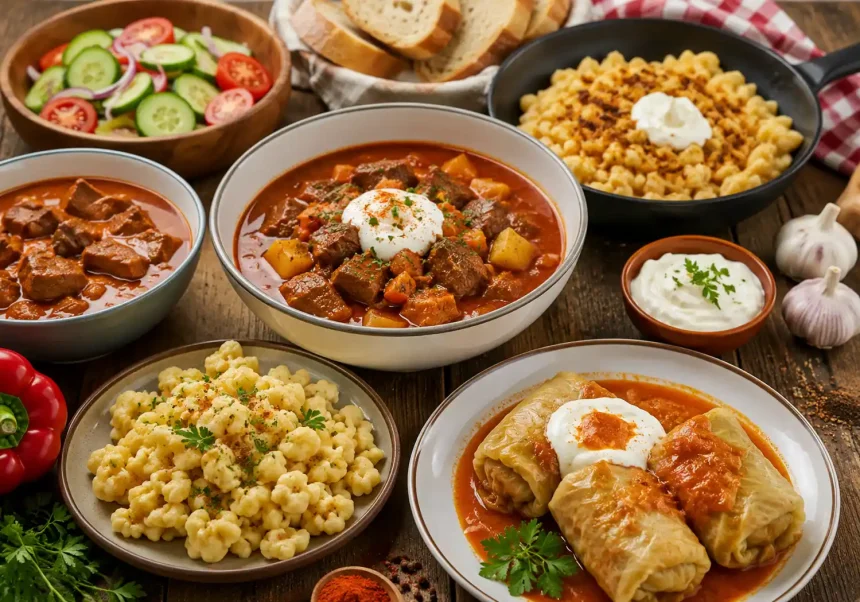
Hungarian cuisine is one of Europe’s most underrated treasures — a hearty, paprika-infused world of bold flavors that transforms humble ingredients into something deeply satisfying. The best part? You don’t need a plane ticket to Budapest to experience it. Many classic Hungarian dishes are surprisingly easy to make in your own kitchen, and this guide will walk you through everything you need to get started.
Why Hungarian Food Deserves a Spot in Your Kitchen
Hungarian cooking sits at a fascinating crossroads. Influenced by Magyar traditions, Turkish occupation, Austrian neighbors, and Slavic roots, it pulls together the best of Central Europe into one pot — often literally. What emerges is food that feels rustic yet refined, comforting yet exciting.
The real star of the show is paprika, Hungary’s national spice. It appears in nearly every savory dish, lending a deep red color and a flavor that ranges from sweet and mild to hot and smoky. But Hungarian food isn’t just about paprika. Sour cream, onions, caraway seeds, dill, and slow-cooked meats all play essential roles in creating the cuisine’s signature richness.
The dishes themselves tend to be forgiving. These are recipes developed by home cooks over centuries, designed to work with whatever was on hand. That makes them perfect for anyone learning to cook — you’ll build confidence while creating something genuinely impressive.
Essential Ingredients for Hungarian Cooking
Before you start, it helps to have a few key ingredients on hand. None of them are hard to find, but they make all the difference.
Paprika: The Heart of the Kitchen
Hungarian paprika comes in several varieties. Édesnemes (sweet and noble) is the most common — bright red with a mild, fruity flavor. Félédes is semi-sweet, while csípős brings noticeable heat. For most recipes, start with a good-quality sweet paprika from a reputable brand. Store it in a cool, dark place, because paprika loses its potency quickly when exposed to light and heat.
Other Pantry Staples
Stock your kitchen with these basics and you’ll be ready for almost any Hungarian recipe:
- Sour cream — used as a topping, a sauce thickener, and a cooking ingredient
- Onions — the foundation of nearly every savory dish
- Caraway seeds — earthy and slightly citrusy, essential in goulash and cabbage dishes
- Dill — fresh or dried, used generously in soups and creamy sauces
- Hungarian wax peppers — mild yellow peppers that add flavor without overwhelming heat
- Lard or vegetable oil — traditional Hungarian cooking starts with melted lard, but oil works fine
Easy Hungarian Recipes to Try at Home
These five recipes represent the best entry points into Hungarian cooking. Each one teaches a fundamental technique while delivering authentic flavor.
Classic Hungarian Goulash (Gulyás)
Goulash is the dish most people think of first, and for good reason. It’s a rich, paprika-forward beef soup — not a thick stew, as many expect — loaded with tender meat, potatoes, and vegetables.
Why it’s easy: Everything goes into one pot and simmers. The only real skill is patience.
Ingredients
- 2 tablespoons lard or vegetable oil
- 2 medium onions, finely chopped
- 3 cloves garlic, minced
- 3 tablespoons sweet Hungarian paprika
- 1.5 pounds beef chuck, cut into 1-inch cubes
- 2 medium carrots, diced
- 2 medium potatoes, diced
- 1 green bell pepper, chopped
- 1 tomato, chopped
- 1 teaspoon caraway seeds
- 6 cups beef broth or water
- Salt to taste
Method
Heat the lard in a large pot over medium heat. Add the onions and cook until golden — this is where the flavor starts, so don’t rush it. Remove the pot from the heat briefly, stir in the paprika, then immediately add the beef. Return to heat and sear the meat on all sides. Add the garlic, caraway seeds, and a pinch of salt, then pour in enough broth to cover everything. Simmer gently for about an hour.
Add the carrots, potatoes, pepper, and tomato. Continue simmering for another 45 minutes until the beef is fork-tender and the vegetables are cooked through. Taste and adjust salt. Serve in bowls with crusty bread.
Chicken Paprikash (Paprikás Csirke)
If goulash is Hungary’s national soup, chicken paprikash is its Sunday dinner. Tender chicken pieces swim in a creamy paprika sauce that begs to be spooned over noodles or dumplings.
Why it’s easy: The sauce comes together in the same pan, and chicken thighs are forgiving even if you overcook them slightly.
Ingredients
- 2 tablespoons lard or butter
- 1 large onion, finely chopped
- 2 tablespoons sweet paprika
- 4 chicken thighs and 4 drumsticks, skin-on
- 1 cup chicken broth
- 1 green bell pepper, sliced
- 1 tomato, chopped
- 1 cup sour cream
- 1 tablespoon flour
- Salt and pepper to taste
- Egg noodles or nokedli for serving
Method
In a large skillet or Dutch oven, melt the lard over medium heat. Cook the onion until soft and translucent. Remove from heat, stir in the paprika, then return to the heat and add the chicken pieces. Brown them on all sides — this takes about eight minutes. Add the broth, bell pepper, and tomato. Cover and simmer for 35 to 40 minutes until the chicken is cooked through and tender.
In a small bowl, whisk the sour cream with the flour until smooth. Spoon a little hot liquid from the pan into the sour cream mixture to temper it, then stir everything back into the skillet. Simmer gently for five more minutes — do not boil or the sauce may curdle. Season with salt and pepper. Serve over egg noodles or homemade nokedli.
Nokedli (Hungarian Dumplings)
Nokedli are small, irregular egg dumplings that act as the perfect vehicle for paprikash sauce, goulash, or any stew. They are essentially a simplified version of German spätzle.
Why it’s easy: The dough takes two minutes to mix, and the cooking process is surprisingly straightforward.
Ingredients
- 2 cups all-purpose flour
- 2 large eggs
- 1 teaspoon salt
- 3/4 cup water (approximately)
Method
Bring a large pot of salted water to a boil. In a mixing bowl, combine flour, eggs, salt, and enough water to form a thick, sticky batter — it should be thicker than pancake batter but wetter than bread dough. Beat vigorously until bubbles appear.
Press the dough through a nokedli maker or a large-holed grater directly into the boiling water. If you don’t have either, drop small spoonfuls into the water. The dumplings will float when done — about two to three minutes. Scoop them out with a slotted spoon, drain, and toss with a little butter to prevent sticking.
Lángos (Hungarian Fried Bread)
Lángos is Hungarian street food at its finest — crispy fried dough topped with sour cream, shredded cheese, and garlic. It’s indulgent, yes, but absolutely worth it.
Why it’s easy: Yeast does most of the work, and frying takes minutes.
Ingredients
- 2 cups all-purpose flour
- 1 teaspoon instant yeast
- 1 teaspoon salt
- 3/4 cup warm water
- 1 medium potato, boiled and mashed
- Oil for deep frying
- Toppings: sour cream, grated cheese, minced garlic, garlic butter
Method
Combine flour, yeast, and salt in a bowl. Stir in the warm water and mashed potato, then knead on a floured surface for five minutes until smooth. Cover and let rise for one hour until doubled.
Punch down the dough and divide into four portions. Stretch each into a flat disc about six inches across. Heat oil to 350°F (175°C) in a deep pan. Fry each disc for about two minutes per side until golden and puffed. Drain on paper towels. Rub with a cut garlic clove, spread with sour cream, and shower with cheese. Eat immediately.
Hungarian Cucumber Salad (Uborkasaláta)
Every heavy Hungarian meal needs something bright and acidic to cut through the richness, and this cucumber salad does exactly that. It’s a staple side dish that comes together in minutes.
Why it’s easy: No cooking required, and the flavors improve while it sits.
Ingredients
- 2 large cucumbers, thinly sliced
- 1 teaspoon salt
- 2 tablespoons white vinegar
- 1 teaspoon sugar
- 1 clove garlic, minced
- 2 tablespoons sour cream (optional)
- Fresh dill and paprika for garnish
Method
Toss the sliced cucumber with salt and let sit in a colander for 15 minutes. Squeeze out the excess water — this step ensures the salad stays crisp. In a bowl, whisk vinegar, sugar, and garlic until the sugar dissolves. Add the cucumbers and toss. For a creamier version, fold in sour cream. Chill for at least 30 minutes. Garnish with dill and a sprinkle of paprika before serving.
Tips for Success in Hungarian Cooking
Don’t Burn the Paprika
Paprika burns quickly and turns bitter. Always remove your pot from direct heat when adding it, or mix it into liquid rather than dry fat. A moment of carelessness can ruin the whole dish.
Cook Low and Slow
Hungarian food isn’t fast food. Most recipes develop their depth from long, gentle simmering. Plan accordingly and let the flavors build.
Balance Richness with Acidity
The cuisine leans rich — meats, sour cream, fried elements — so don’t skip the pickles, vinegar-based salads, or fresh herbs. They aren’t afterthoughts; they’re essential to a properly balanced Hungarian meal.
Source Good Paprika
Supermarket paprika that has been sitting on the shelf for two years will give you color but little flavor. Seek out imported Hungarian paprika from specialty stores or online. The difference is dramatic.
Bringing Hungary to Your Table
Hungarian cooking rewards the home cook in ways few cuisines do. The ingredient list is short and accessible. The techniques are forgiving. And the results — a steaming bowl of goulash on a cold evening, a plate of chicken paprikash shared with friends — deliver comfort on a deep, elemental level.
Start with goulash or paprikash. Make some nokedli on the side. Open a jar of pickles. You’ll understand quickly why Hungarians have been eating this way for centuries, and why the rest of the world is finally catching on.