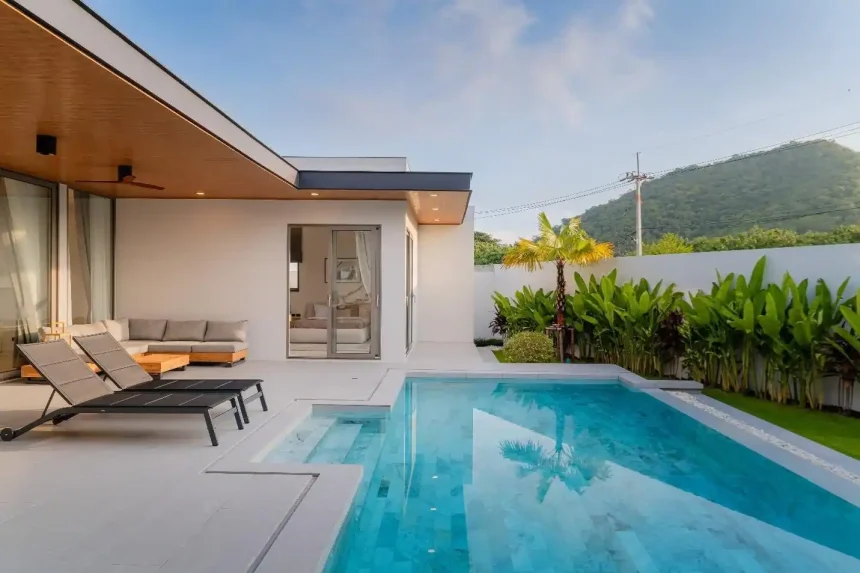
You can retire well in Hua Hin on a comfortable budget of roughly 50,000 to 80,000 baht (about $1,500–2,400) a month, with good private hospitals, a long beach, championship golf, and Bangkok close enough for a day trip. It’s calmer than Phuket or Pattaya, more local in feel, and easy to settle into. That combination is why so many people who came for a holiday ended up staying.
I’ve lived and worked in Hua Hin for nearly twenty years and watched it grow into one of Thailand’s most settled places to retire. This guide covers the parts that actually decide whether the move works: what it costs, what healthcare is like, how the retirement visa works, where to live, and whether to rent or buy.
Why retirees choose Hua Hin
Hua Hin began as the Thai royal family’s seaside town, and it still carries that quieter, more dignified feel. There’s a strong, sociable expat community, a low crime rate by regional standards, and a pace that suits a slower chapter of life. You get the beach and the golf without the noise of the bigger resort cities.
The deciding factor for many is proximity. Serious medical care, international flights and the energy of a capital city are all two and a half to three hours away in Bangkok — close enough to reach easily, far enough not to intrude.
Climate and the best time to settle in
Hua Hin sits on the gulf and is drier than much of Thailand. Expect hot, bright weather from roughly November to April — the cool, comfortable season and the busiest months — then warmer, greener months with passing rain mid-year. It rarely sees the long downpours of the west coast. If you’re trialling the town, live through both a high season and a green season before you decide; each has a different rhythm.
Cost of living: a realistic monthly budget
Hua Hin is affordable by Western standards, though not as cheap as rural Thailand. Your biggest variables are housing, whether you run a car, and your health cover. Here’s a realistic 2026 picture:
| Monthly cost | Modest (THB) | Comfortable (THB) | Notes |
| Housing (rent) | 10,000–18,000 (~$300–540) | 25,000–45,000 (~$750–1,350) | Condo vs private pool villa |
| Food & dining | 8,000–12,000 (~$240–360) | 15,000–25,000 (~$450–750) | Markets and home cooking vs restaurants |
| Utilities & internet | 2,500–3,500 (~$75–105) | 4,000–6,000 (~$120–180) | Driven mostly by air-conditioning |
| Transport | 2,000–4,000 (~$60–120) | 8,000–15,000 (~$240–450) | Motorbike vs running a car |
| Health insurance | 3,000–6,000 (~$90–180) | 6,000–12,000 (~$180–360) | Varies with age and cover |
| Leisure & golf | 3,000–6,000 (~$90–180) | 10,000–20,000 (~$300–600) | Golf, dining out, trips |
| Rough total | ~30,000–50,000 (~$900–1,500) | ~70,000–120,000 (~$2,100–3,600) | Per person/couple, 2026 estimate |
USD figures are approximate, at about 33 baht to the dollar (June 2026); rates move.
Most retired couples live comfortably on 60,000 to 90,000 baht (about $1,800–2,700) a month. Spend less by renting a modest condo and riding a motorbike, or more with a pool villa and regular golf — Hua Hin scales to your budget.
A few specifics help. Local meals run 50–80 baht at a market, a fresh coffee 60–90, and Western restaurant mains closer to 250–500. Electricity is the swing factor: light users pay 2,000–2,800 baht a month, but heavy air-conditioning can double that. Fast fibre internet is cheap at 600–800 baht. Domestic help, a luxury back home, is affordable and common here.
Healthcare
Healthcare is one of the strongest reasons people retire here. Hua Hin has two main private hospitals: Bangkok Hospital Hua Hin, part of the large BDMS network, which has been expanding its facilities and specialists into 2026; and San Paulo Hua Hin, a long-running private hospital with international service. Both offer English-speaking care, modern diagnostics and 24-hour emergency cover.
For the most complex treatment, Bangkok’s world-class hospitals are a short drive away. Most expats carry private health insurance — premiums rise with age, so price this early — and the retirement visa route includes its own insurance requirement, covered below.
On insurance, buy it sooner rather than later. Premiums climb with age and pre-existing conditions can be excluded, so locking in cover while you’re younger and healthier pays off. Compare local Thai policies against international plans — the right choice depends on whether you want treatment only in Thailand or worldwide.
The retirement visa, in plain terms
Thailand’s retirement visa is open to applicants aged 50 and over. As a 2026 guide, you’ll need to show roughly 800,000 baht (about $24,000) held in a Thai bank, or a monthly income of about 65,000 baht (about $1,950), or a combination of the two; the Non-Immigrant O-A route also requires health insurance with set minimum cover. The visa runs a year at a time and renews as long as you still meet the conditions.
Immigration rules change and the detail matters, so confirm the current requirements with Thai immigration or a reputable visa agent before you rely on any figure. Treat owning a home and holding a visa as two separate tasks — buying property does not grant residency.
Other visa routes worth knowing
The standard retirement visa suits most people, but it isn’t the only door. The Long-Term Resident (LTR) visa’s Wealthy Pensioner category suits higher-income retirees with a longer, multi-year stay, while the Thailand Privilege membership grants long-stay rights for a one-off fee with no age or income test. Both cost more, so weigh them against the standard route and check current terms.
Where to live
Hua Hin is compact, so choosing an area is about lifestyle, not commuting. For retirees I’d look at:
- Nong Kae (Soi 94–102) — the most walkable pocket, with cafés, gyms, BluPort mall and the beach close by. Easiest if you’d rather not depend on a car.
- Khao Takiab — relaxed, beach-side living south of the centre, with plenty of restaurants.
- Thap Tai — inland and green, where the newer pool-villa communities are; space, mountain views and quiet, with golf and hospitals minutes away.
- Hin Lek Fai — hillside calm near the golf courses, best if you have your own transport.
- Hua Hin town & Cha-Am — close to the action and amenities; the town centre suits those who want everything on the doorstep, while Cha-Am just north is quieter and cheaper again.
My advice to every retiree: rent in your shortlisted area for a few months before buying anything. Live a wet season and a high season there first.
Renting or buying
Rent first — always. It lets you test the town, the area and the lifestyle with nothing at stake. A decent condo rents from around 12,000–25,000 baht (about $360–750) a month; a private pool villa from roughly 35,000 (about $1,050) upward.
If Hua Hin becomes home, buying makes sense for the stability and the lifestyle of your own place. A foreigner can own a condo outright (freehold, within the building’s foreign quota), or own a villa with the land held on a registered lease or another legal structure. Many retirees who want a garden and a pool end up choosing a private pool villa in Hua Hin as a long-term base. Whatever you choose, use an independent Thai lawyer and look for a Chanote title.
Condo or villa comes down to how you want to live. A condo is lower-maintenance, often closer to town, and the simplest thing a foreigner can own outright — good for lock-up-and-leave or a tighter budget. A pool villa gives you a garden, privacy and room for visiting family, with a little more upkeep. Many people rent a condo first, then buy a villa once they’re sure Hua Hin is home.
Daily life and getting around
Daily life here is easy. Fresh markets, night markets and a wide range of restaurants — from 50-baht noodles to fine dining — cover every budget. There are golf courses, the beach, gyms, temples and an active social calendar of expat clubs and charity events.
Many retirees get around by car for comfort, though motorbikes are common and cheap. Vans and the train link Hua Hin to Bangkok, and the local airport handles some regional flights. You won’t feel cut off.
Things to do and the social side
Boredom is rarely the problem. There are several championship golf courses, including Black Mountain and Banyan; long, swimmable beaches; tennis, cycling and gyms; temples and the royal palaces; and a busy calendar of markets, the Cicada and Tamarind markets among the favourites. The expat community runs clubs, charity groups and weekly meet-ups that make it easy to land socially.
When you want a change of scene, Sam Roi Yot national park, the vineyards inland, and the quieter beaches of Pranburi are all short drives away — and Bangkok is there for a city weekend whenever you fancy one.
Money and banking
Most retirees open a Thai bank account, which makes paying bills and meeting the visa’s deposit requirement easier. Bring larger sums from overseas and keep the transfer records for property purchases or moving money out later. ATMs are everywhere and cards widely accepted, though cash still rules at markets.
The honest downsides
No town is perfect. The green season brings humidity and the odd heavy shower, Hua Hin is quieter than Phuket or Pattaya (a plus for most, a drawback if you want nightlife), and for very complex treatment you may still travel to Bangkok. None of these are dealbreakers, but weigh them honestly.
A few practical tips
- Rent before you buy. The single best way to avoid an expensive mistake.
- Sort health insurance early. Premiums climb with age, so lock in cover while you can.
- Keep your visa paperwork current. Use a reputable agent if the process feels daunting.
- Learn a little Thai. Even a few phrases change how you experience the town.
Frequently asked questions
How much do you need to retire in Hua Hin?
A comfortable single or couple’s budget is roughly 50,000–80,000 baht (about $1,500–2,400) a month. You can do it for less on a modest lifestyle, or spend well above it with a villa, a car and golf.
Is Hua Hin safe?
Hua Hin is regarded as one of Thailand’s safer towns, with a settled community and a low crime rate by regional standards. Normal common sense applies, as anywhere.
Do I need a car?
Not necessarily. In a walkable area like Nong Kae you can manage without one, but a car or motorbike widens your options, especially for golf, hospitals and trips out of town.
Is the healthcare good?
Yes. Bangkok Hospital Hua Hin and San Paulo Hua Hin provide modern private care with English-speaking staff, and Bangkok’s top hospitals are a short drive away. Most expats carry private insurance.
What are the retirement visa requirements?
You must be 50 or over and show about 800,000 baht (about $24,000) in a Thai bank or around 65,000 baht (about $1,950) monthly income, with health insurance on the O-A route. Confirm current rules with immigration before relying on figures.
Which area suits retirees best?
Nong Kae for walkability, Khao Takiab for the beach, Thap Tai for space and new villas, Hin Lek Fai for hillside quiet. Rent in your shortlist before buying.
Can I buy a home as a retiree?
Yes. You can own a condo freehold, or a villa with the land held on a registered lease or other structure. Use an independent Thai lawyer and confirm the title.
This article is general information, not legal, financial or immigration advice. Visa and property rules change — confirm current requirements with Thai immigration and a qualified lawyer before acting.
About the author
Nichanun Meesai is the founder and developer of La Felice, an award-winning private pool villa community in Thap Tai, Hua Hin, with more than 19 years in local construction and land development.