Walk through any Malaysian city and art appears almost immediately. It may be a painted mural in Kuala Lumpur, carved wood on an old Malay house, or bright batik fabrics sold in local markets. Artistic traditions are deeply connected to how Malaysians understand their history and identity. Malaysia is home to more than 34 million people, and its culture reflects a mix of Malay, Chinese, Indian and indigenous influences. That diversity explains why Malaysian art rarely follows a single style. Instead it blends religious symbolism, local folklore and everyday life.
Interest in Southeast Asian culture has also expanded online. Many regional audiences discover cultural themes through media platforms. One example is regional online casino platform Dk88 that regularly features Southeast Asian themed digital content, where discussions about culture, media and regional trends appear alongside other entertainment topics.
Traditional Art Still Shapes Everyday Culture
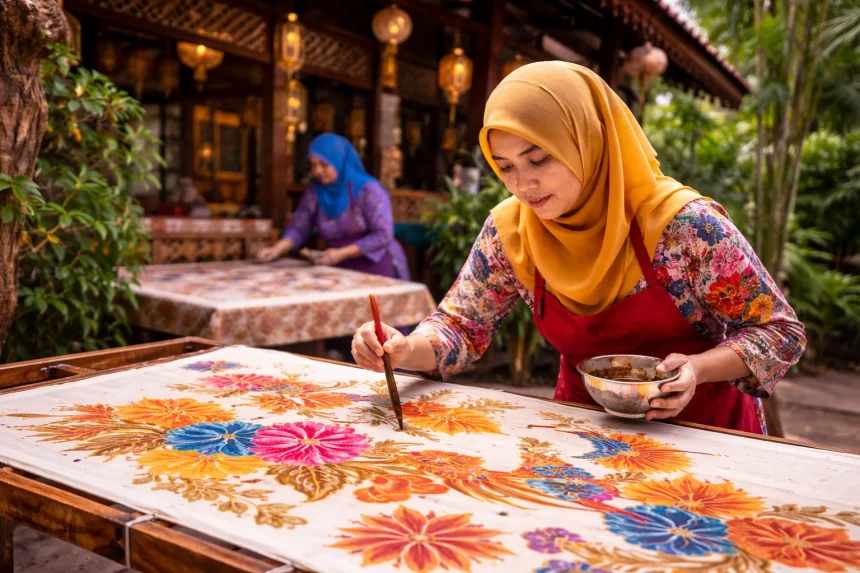
Even in large cities traditional art remains visible. Batik textiles, for instance, are not only museum pieces. They are worn during official events, used in fashion design and exported worldwide. According to Malaysia’s craft authorities, thousands of artisans continue producing batik and traditional fabrics every year.
Several traditional forms remain particularly influential:
- batik textile production using wax resist dyeing;
- wayang kulit shadow puppet theatre;
- songket weaving decorated with metallic threads;
- carved wooden motifs in traditional architecture.
These crafts are usually learned through apprenticeships or family workshops. In some regions techniques have been passed down for generations.
Urban Art and Modern Creativity
Malaysia’s cities have also become important creative spaces. Kuala Lumpur and Penang host independent galleries, street art festivals and design studios that attract young artists.
George Town in Penang became internationally famous after a public art initiative introduced more than fifty murals in 2012, turning historic streets into an open-air gallery. Many contemporary artists combine traditional Malaysian symbols with modern styles. It is common to see batik patterns appearing in street art or digital design.
Why Art Matters for Malaysian Identity
Art in Malaysia does more than decorate buildings or galleries. It connects communities with different cultural backgrounds and keeps historical traditions visible in everyday life.
Museums, festivals and cultural programs across the country continue supporting artists and artisans. These initiatives help younger generations learn traditional techniques while also experimenting with modern forms of expression.
Because of that balance between heritage and creativity, art remains one of the most recognizable elements of Malaysia’s cultural identity today.