
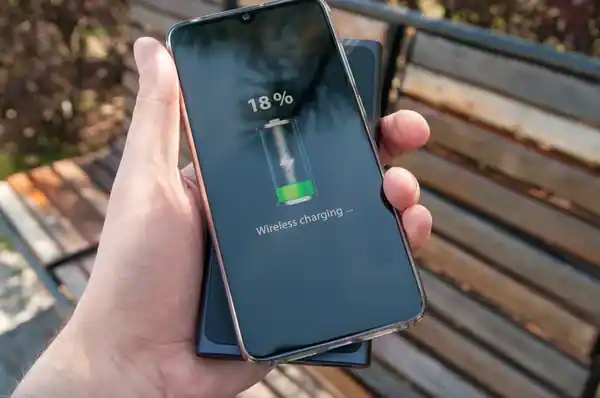
In today’s fast-paced digital world, staying connected is no longer a luxury but a necessity. The evolution of technology has rapidly transformed the way we power our devices, making accessories like the Anker wireless powerbank a staple for anyone reliant on their smartphone or tablet. As we become increasingly dependent on these gadgets, understanding the advancements in portable charging technology becomes crucial.
The Rise of Wireless Charging Technology
The concept of wireless charging might once have seemed like a futuristic marvel, but it is now a mainstream reality. The technology primarily involves the transfer of electricity through electromagnetic fields, allowing devices to be charged without direct cable connections. This method is not only convenient but also reduces wear and tear on charging ports, enhancing device longevity.
Initially, wireless charging was limited to stationary charging pads, but the incorporation of this technology into power banks has provided users with an unparalleled degree of flexibility. The capability to charge devices on the go without the hassle of cords has revolutionised how we think about mobile power solutions.
How Wireless Powerbanks Work
Wireless power banks use inductive charging, a method first introduced in electric toothbrushes. Inductive charging involves coils in both the charger and the device, creating a magnetic field that transfers energy. This energy is converted into electricity, which charges the device’s battery.
Most wireless power banks also retain traditional USB ports, offering dual functionality. This versatility allows users to charge multiple devices simultaneously, whether through wireless means or traditional cables. The shift towards integrated solutions ensures that whether you’re lounging at home or travelling for work, your devices remain powered.
Key Features of Modern Wireless Powerbanks
An ideal wireless power bank offers several distinguishing features, tailored towards maximum user efficiency. Notably, modern power banks incorporate fast charging capabilities, which significantly reduce charging times. Quick Charge and Power Delivery technologies are often integrated, providing charges faster than the traditional 5W rating.
Moreover, these power banks are designed with safety in mind. They feature overcharge, short-circuit, and temperature protection systems, ensuring the safety of both the user and the device. Compact design is another focal point in their development, with many models being sleek and lightweight, fitting easily into backpacks or handbags.
Considerations in Choosing a Wireless Powerbank
When selecting a wireless power bank, several factors come into play. First on the list is capacity, commonly measured in milliampere-hours (mAh). A higher mAh number indicates a greater energy storage capacity, which typically provides more charges. Consider your daily energy consumption and choose a powerbank that matches your needs.
Compatibility with your devices is also essential. Ensure that the power bank supports your gadget’s charging standards. Many manufacturers provide compatibility lists or labels such as Qi-enabled, which indicates support for the wireless charging standard used by many smartphones.
Furthermore, the build quality and brand reputation can greatly influence the powerbank’s performance. Companies known for their reliable technology and rigorous testing often produce more durable and efficient products.
The Environmental Impact of Powerbank Usage
As the use of portable electronic devices surges, so does the environmental footprint of the accessories designed to support them. Power banks, while small, are not exempt from these concerns. Fortunately, manufacturers are beginning to address these issues by incorporating more sustainable practices in production.
Recyclable materials, energy-efficient manufacturing processes, and eco-friendly packaging are being prioritised. Encouragingly, users are becoming more conscious of the environmental effects of their choices, prompting a demand for greener alternatives in the technology sector.
Challenges and Future of Wireless Powerbanks
While wireless power banks offer undeniable advantages, they are not without challenges. The efficiency of wireless charging is typically lower compared to wired solutions. This inefficiency can result in slower charging rates and potential energy loss, raising concerns in contexts where environmental impact is a focus.
Nonetheless, the future of wireless charging remains promising. Advancements in magnetic resonance and the potential introduction of standards that increase efficiency could transform current limitations into stepping stones for future innovation. As the consumer electronic landscape evolves, wireless power banks are poised to become even more integral to our daily lives.
The Integration of Wireless Powerbanks in Smart Ecosystems
With the exponential growth of smart devices, integrating wireless power banks into broader smart ecosystems presents exciting opportunities. Such integration could involve seamless communication between devices, where a powerbank intelligently manages power distribution based on real-time usage data. This capability would ensure optimal power usage and extend device battery life.
As smart homes and workplaces become more prevalent, the ability of devices to interact with these environments through wireless charging mechanisms opens avenues for innovation. The possibilities could lead to designs where power banks themselves become components of smart device networks, providing consistent power management solutions.
Personalising the Wireless Charging Experience
Today’s consumers value personalisation, and the technology sector is responding by allowing individuals to tailor their charging solutions. Customisable design options, variable power outputs, and integrated apps provide a bespoke charging experience. These advancements in design and functionality allow users to align their power banks with personal tech ecosystems and lifestyle needs.
Such innovations ensure that wireless power banks are no longer just functional tools but personal accessories that reflect user preferences. As the industry gears towards more user-centric designs, the capacity to customise becomes a definitive selling point.
Conclusion
Wireless powerbanks continue to redefine how we approach portable energy. From basic charging devices, they have evolved into sophisticated tools integral to our technologically driven lives. With ongoing advancements, their role will only become more profound, offering unique solutions to the challenges of modern-day connectivity.
Understanding the nuances of this technology can help users make informed decisions, ensuring their devices are always charged and ready for the myriad tasks they perform. As the world grows increasingly connected, the melding of convenience, efficiency, and sustainability in wireless power banks will mark a significant chapter in the narrative of portable technology.

