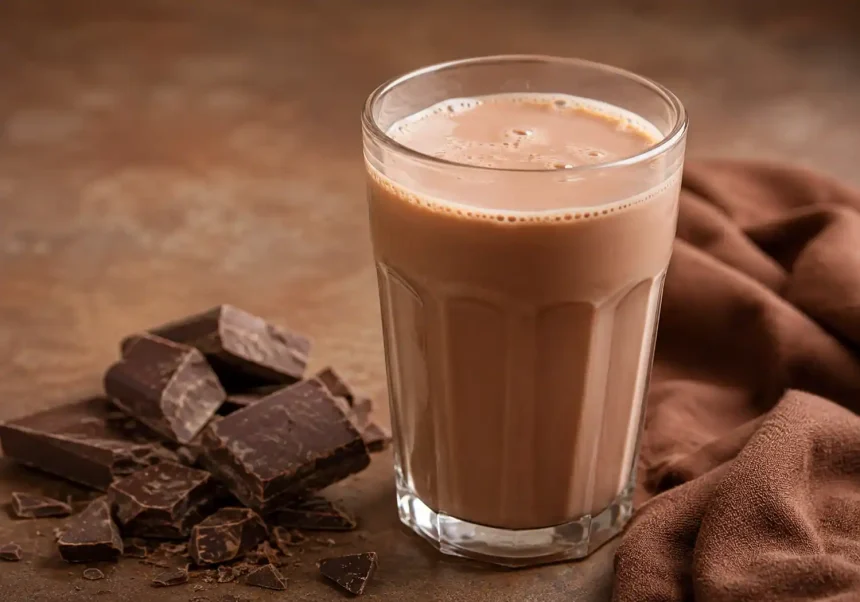
Chocolate milk has earned a reputation that few other beverages can claim — it is nostalgic yet scientifically respected, indulgent yet surprisingly functional. Whether it brings back memories of school lunchrooms or serves as your go-to post-workout drink, chocolate milk sits at a fascinating intersection of comfort and nutrition. In this article, we explore what makes this beloved drink tick, from its nutritional breakdown and evidence-backed health benefits to a simple homemade recipe you can whip up in minutes.
What Exactly Is Chocolate Milk?
At its core, chocolate milk is a flavored dairy beverage made by combining milk with cocoa and a sweetener. The base is typically cow’s milk — though plant-based alternatives like oat, almond, and soy milk are increasingly popular — and the chocolate component comes from cocoa powder or chocolate syrup.
What separates chocolate milk from plain milk is more than just taste. The addition of cocoa brings a unique set of plant compounds called flavonoids, which carry their own health-promoting properties. Meanwhile, the sweetener (whether sugar, honey, or maple syrup) adds carbohydrates that, in the right context, can serve a functional purpose — particularly for athletes.
Historically, chocolate milk has roots tracing back to 17th-century Jamaica, where Hans Sloane, an Irish physician and botanist, encountered locals mixing cocoa with water. Finding the taste unpalatable, he experimented by blending cocoa with milk, creating what would eventually become the chocolate milk we know today. Sloane later brought the concoction to Europe, where it was initially sold as a medicinal tonic.
Nutritional Profile of Chocolate Milk
Understanding what goes into a glass of chocolate milk helps explain why it has become a staple for so many. Below is a breakdown of the typical nutritional content found in one cup (approximately 240 ml) of commercially prepared low-fat chocolate milk.
Macronutrients at a Glance
A standard serving of low-fat chocolate milk generally provides around 150 to 180 calories. The calorie count shifts depending on whether whole milk, reduced-fat milk, or skim milk is used as the base. Within those calories, you will find roughly 8 grams of protein, 25 to 30 grams of carbohydrates, and 2.5 to 5 grams of fat. This ratio — roughly one part protein to three or four parts carbohydrates — is remarkably close to what sports nutritionists often recommend for post-exercise recovery.
The protein in chocolate milk comes primarily from casein and whey, two high-quality dairy proteins that contain all nine essential amino acids. Casein digests slowly, providing a sustained release of amino acids, while whey acts more rapidly, making the combination particularly effective for muscle repair.
Key Micronutrients
Chocolate milk delivers an impressive array of vitamins and minerals. It is an excellent source of calcium, with a single cup providing roughly 25 to 30 percent of the daily recommended intake for adults. Calcium is essential for bone density, muscle contraction, and nerve signaling.
Beyond calcium, chocolate milk supplies meaningful amounts of vitamin D — especially in fortified varieties — which aids calcium absorption and supports immune function. It also contains phosphorus, which works alongside calcium to build strong bones and teeth; potassium, which helps regulate fluid balance and blood pressure; and riboflavin (vitamin B2), which supports energy metabolism. The cocoa component adds magnesium and small amounts of iron, giving chocolate milk a subtle nutritional edge over its unflavored counterpart.
Evidence-Backed Health Benefits
Chocolate milk is not just a treat — it has been the subject of considerable research, particularly in the realms of sports nutrition and metabolic health.
Post-Exercise Recovery and Muscle Repair
Perhaps the most widely studied benefit of chocolate milk is its effectiveness as a recovery beverage. Multiple studies have shown that drinking chocolate milk after strenuous exercise can help replenish glycogen stores, reduce muscle soreness, and support protein synthesis. The naturally occurring carbohydrate-to-protein ratio in chocolate milk closely matches the 3:1 or 4:1 ratio that research suggests is optimal for post-workout recovery.
A landmark study published in the International Journal of Sport Nutrition and Exercise Metabolism found that cyclists who drank chocolate milk between two exhausting rides performed significantly better during the second round compared to those who consumed a commercial sports drink. Researchers attributed this to chocolate milk’s combination of carbohydrates for glycogen replenishment and protein for muscle repair — plus the added benefit of electrolytes like sodium and potassium that are lost through sweat.
Bone Health and Development
The calcium and vitamin D content in chocolate milk makes it a legitimate ally for skeletal health. For children and adolescents whose bones are still developing, regular consumption of milk-based beverages can contribute to higher peak bone mass, which serves as a protective factor against osteoporosis later in life.
Some parents express concern about the sugar content of chocolate milk, but research suggests that the nutritional trade-off may still be favorable. A study examining school lunch programs found that when flavored milk was removed, overall milk consumption dropped significantly — leading to lower calcium and vitamin D intake among students. In other words, the nutritional benefits of the milk itself often outweigh the downsides of added sugar, especially when alternatives mean children skip milk entirely.
Hydration and Electrolyte Balance
Milk — chocolate or otherwise — has a surprisingly high hydration index. Research from the American Journal of Clinical Nutrition indicates that milk may be more effective than water or sports drinks at sustaining hydration after exercise. This is partly because milk contains sodium, which helps the body retain fluid, and its natural balance of electrolytes aids in restoring what is lost during physical activity.
Potential Cardiovascular Benefits from Cocoa
The cocoa in chocolate milk brings flavanols — plant compounds with antioxidant and anti-inflammatory properties — into the equation. While chocolate milk contains far lower concentrations of flavanols than dark chocolate, regular consumption may still contribute modestly to improved endothelial function and lower blood pressure. It is worth noting that these benefits are more pronounced when the beverage is made with minimally processed cocoa powder rather than heavily alkalized versions that strip away beneficial compounds.
Addressing Common Concerns
Sugar Content and Moderation
The most frequent criticism of chocolate milk centers on its added sugar. A cup of commercial chocolate milk typically contains 10 to 15 grams of added sugar, which is roughly two to three teaspoons. This is not insignificant, but context matters. For a sedentary individual sipping chocolate milk throughout the day, the sugar adds empty calories. For an athlete who has just completed a high-intensity training session, that same sugar serves a functional purpose — speeding glycogen replenishment and supporting recovery.
Making chocolate milk at home allows you to control the type and amount of sweetener, which we will cover in the recipe section below.
Lactose Intolerance
For those who experience difficulty digesting lactose, traditional chocolate milk can cause bloating, gas, and discomfort. Fortunately, lactose-free milk options work beautifully with chocolate flavoring, and many commercial brands now offer lactose-free chocolate milk. Plant-based alternatives like soy milk and oat milk also make excellent bases, though their protein content varies — soy milk comes closest to matching the protein profile of cow’s milk.
How to Choose a Quality Store-Bought Chocolate Milk
If you are shopping for ready-made chocolate milk, a few simple guidelines can help you pick a better option. Look for brands that use real cocoa rather than artificial chocolate flavoring. Check the ingredient list for minimalism — milk, cocoa, and a sweetener should be the foundation. Be wary of products that list sugar or high-fructose corn syrup as the first or second ingredient. Also, consider the protein content; a quality chocolate milk should deliver at least 8 grams of protein per serving, reflecting a meaningful dairy base rather than a heavily diluted formulation.
Easy Homemade Chocolate Milk Recipe
Making chocolate milk from scratch gives you complete control over every ingredient. It takes under two minutes and tastes richer than most store-bought options.
Ingredients You Will Need
- 1 cup (240 ml) of cold milk — whole, reduced-fat, or your preferred plant-based alternative
- 2 teaspoons of unsweetened cocoa powder — Dutch-processed for a smoother taste or natural for more antioxidants
- 1 to 2 teaspoons of sweetener — maple syrup, honey, or granulated sugar, adjusted to taste
- A small pinch of salt — this enhances the chocolate flavor significantly
- Optional: A few drops of pure vanilla extract or a dash of cinnamon
Step-by-Step Instructions
Start by pouring the milk into a glass or a small pitcher. Add the cocoa powder, your chosen sweetener, and the pinch of salt. Whisk vigorously until the cocoa powder is fully dissolved and the milk takes on an even, rich brown color. This can take patience, as cocoa powder tends to resist blending into cold liquids. If you prefer a faster method, combine all the ingredients in a blender and pulse for 10 to 15 seconds — this also creates a pleasantly frothy top layer. Alternatively, warm the milk gently in a saucepan before whisking in the other ingredients for a cozy hot chocolate milk that is perfect on cooler days.
Taste and adjust. If the chocolate flavor feels too subtle, add another half-teaspoon of cocoa powder. If the bitterness from the cocoa needs balancing, a little extra sweetener will round things out. Pour over ice if you prefer it chilled, and enjoy immediately.
Tips for the Best Result
Using a small blender or a milk frother makes dissolving the cocoa powder effortless and yields a café-style texture. For a thicker, milkshake-like consistency, toss in half a frozen banana before blending — it adds natural sweetness and creaminess without the need for ice cream. If you are preparing chocolate milk for post-workout recovery, consider using chocolate milk’s natural ratio as your guide and avoid overloading it with extra sugar, since the carbohydrate content from milk itself already contributes meaningfully to glycogen replenishment.
The Verdict: Is Chocolate Milk Right for You?
Chocolate milk is neither a miracle elixir nor a dietary villain — it is a versatile, nutrient-dense beverage that shines brightest when consumed with intention. For athletes, it stands as one of the most accessible and effective recovery drinks available. For parents, it offers a practical way to ensure children meet their calcium and vitamin D needs. For anyone who simply enjoys the taste, a homemade version made with quality cocoa and a moderate amount of sweetener can be a perfectly reasonable part of a balanced diet.
The key lies in how you approach it. Drinking chocolate milk mindfully — whether as a strategic recovery tool, an occasional treat, or a homemade indulgence — allows you to enjoy its creamy richness while benefiting from the nutritional foundation that real milk provides.
Written by a health and nutrition writer with over a decade of experience translating food science into practical, reader-friendly guidance.