Coastal properties offer beautiful views and ocean breezes, but they also expose outdoor lighting to conditions that can dramatically shorten fixture life. Homeowners, property managers, and lighting designers may invest in high-quality exterior lighting, only to see finishes deteriorate, fasteners corrode, or fixtures begin flickering after just a few seasons.
The problem is that an “outdoor-rated” fixture is not necessarily designed for prolonged exposure to salt-laden air, high humidity, wind-driven rain, and intense UV. Choosing landscape lighting for coastal homes requires more than checking an IP rating or exterior finish. Material selection, fixture construction, corrosion resistance, installation practices, and maintenance all influence how well a lighting system performs near the ocean.
Understanding how salt air affects outdoor lighting fixtures is the first step toward specifying a system that lasts.
Why Salt Air Damages Outdoor Lighting
Outdoor lighting near the coast has to deal with more than rain and humidity. Fine salt carried by ocean air settles on fixture housings, screws, seals, and wiring points. Once that salt is on the surface, it holds moisture for longer, creating the kind of damp, chloride-rich environment that speeds up corrosion.
The first signs are often easy to miss. A finish may start to bubble around an edge, screws can become difficult to remove, or small areas of metal may begin to pit. As the problem develops, seals can lose their effectiveness and electrical connections may start to corrode, which can lead to flickering, intermittent operation, or early fixture failure.
Another issue is galvanic corrosion. This happens when two different metals are in contact and salt moisture acts as an electrolyte between them. A common example is stainless-steel hardware used with an aluminum housing. If the materials are not properly isolated or protected, corrosion can concentrate around the connection point even when both components appear suitable for outdoor use on their own.
That is why coastal corrosion should not be judged only by visible rust. Salt air can gradually affect the finish, hardware, seals, and electrical connections long before the fixture itself shows serious damage.
Choosing the Right Materials for Coastal Landscape Lighting
In coastal environments, the material beneath the finish often matters more than the finish itself. Salt, moisture, and UV exposure can quickly expose weaknesses in low-grade metals or poorly protected surfaces, so material choice strongly affects how long a fixture lasts.
| Material | Typical Coastal Suitability | What to Know |
| Solid Brass & Copper | Very Good | Naturally corrosion-resistant and develops a patina over time rather than conventional red rust |
| 316 Stainless Steel | Very Good | Better resistance to chloride-related pitting than 304 stainless steel |
| Powder-Coated Aluminum | Good, if properly finished | Performance depends heavily on surface preparation and coating quality |
| Composite Materials | Good | Avoids metal corrosion, but UV stability and overall construction still matter |
Solid Brass and Copper
Solid brass and copper are commonly used in demanding outdoor applications because they do not rust in the same way as ordinary steel. Instead, both materials gradually develop a natural patina as they age outdoors, and this change in appearance does not necessarily mean the fixture is failing. For landscape applications such as spotlights, path lights, step lights, and well lights, brass is often chosen when long-term corrosion resistance and a naturally weathered finish are priorities.
316 Stainless Steel
316 stainless steel is another strong option for coastal landscape lighting, particularly in locations with greater exposure to salt air. Its molybdenum content gives it better resistance to chloride-induced pitting than commonly used 304 stainless steel, making it well suited to many marine and waterfront applications. It is not completely maintenance-free, however, and periodic freshwater cleaning can help reduce salt buildup, surface staining, and the risk of localized corrosion.
Powder-Coated Aluminum
Powder-coated aluminum can perform well near the coast when the underlying metal is properly prepared, and the coating is applied to a high standard. Its durability depends on factors such as surface pretreatment, coating adhesion, edge coverage, and how well the finish is protected during installation and use. If the coating becomes deeply scratched or chipped, exposed aluminum is more vulnerable to localized corrosion, which is why coating quality matters as much as the material itself.
Composite Materials
Composite housings avoid many of the corrosion problems associated with metal fixture bodies, making them a practical option in some coastal applications. Their performance still depends on the quality of the material, including resistance to UV exposure, heat, and long-term weathering, while seals, fasteners, connectors, and other metal components within the fixture still need appropriate protection. A composite housing alone does not make the entire lighting system corrosion-proof.
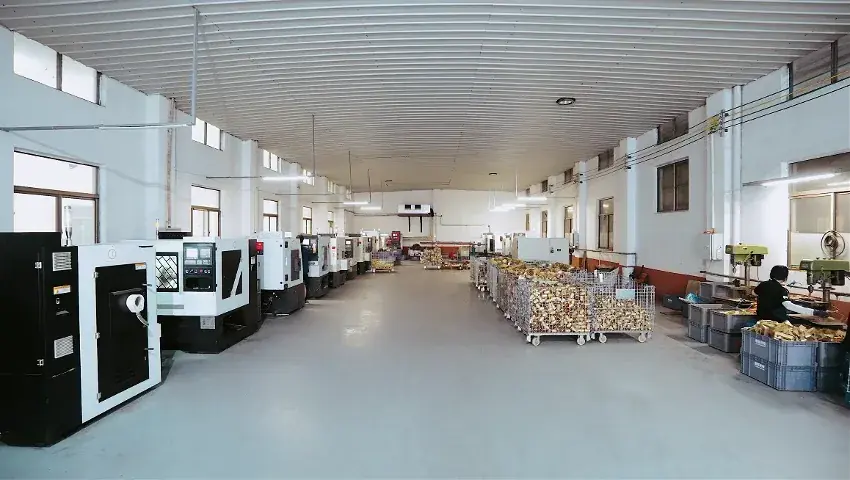
These material differences are also why manufacturing details matter just as much as the material name on a specification sheet. Housing quality, surface treatment, sealing, and component compatibility all influence outdoor performance. Lutou Technology manufactures low-voltage landscape lighting in materials including brass and aluminum, where these construction details form part of the overall fixture design.
Why IP Ratings Are Only Part of the Story
When choosing outdoor lighting for a coastal property, an IP65 or IP67 rating can look reassuring. But IP ratings mainly describe protection against dust and water ingress—they do not measure how well a fixture will resist years of salt exposure.
IP65 does not mean salt-proof.
A fixture may keep rain and moisture out while its housing, fasteners, coating, or electrical connections still deteriorate in a chloride-rich environment. Coastal performance therefore depends on more than the enclosure rating, including:
- Housing material and corrosion resistance
- Fasteners and surface finishes
- Gaskets, O-rings, and cable entries
- Waterproof electrical connections
- Compatibility between different metals
Site conditions also matter. A light mounted beneath a covered porch faces far less exposure than an open path light, an in-ground fixture, or one installed near a seawall.
For coastal projects, the IP rating should match the installation environment, but it should be evaluated alongside the fixture’s materials, sealing, hardware, and overall construction.
Installation and Maintenance Tips for Longer Fixture Life
Even a well-built coastal fixture can fail early if it is installed in the wrong place or left covered in salt for long periods. During installation, keep wire splices and connection points out of low spots where water can collect, provide good drainage around fixtures, and protect transformers or junction boxes from standing water and direct salt spray whenever possible. It is also worth paying attention to dissimilar metals, since unnecessary metal-to-metal contact can increase the risk of localized corrosion in a salty environment.
Routine maintenance does not need to be complicated. One of the most effective steps is simply rinsing exposed fixtures with fresh water to remove accumulated salt and surface residue. Use a gentle rinse rather than directing high-pressure water at seals, cable entries, or joints, where water could be forced into the fixture.
While cleaning, take a few minutes to check for early warning signs such as:
- Corrosion around screws and joints
- Chipped or damaged coatings
- Loose fasteners
- Cracked or hardened gaskets
- Condensation inside lenses
- Damaged cable entries or connections
There is no universal maintenance schedule for every coastal property. A home directly exposed to prevailing ocean winds may need attention more often than one protected by buildings, landscaping, or greater setback from the shoreline. After major storms or periods of heavy salt spray, an extra inspection and freshwater rinse can also help prevent small problems from turning into premature fixture failure.
Conclusion
Coastal lighting has to deal with more than rain. Salt, moisture, and constant exposure can wear down finishes, hardware, seals, and electrical connections much faster than they would in a typical inland setting.
That is why it makes sense to look beyond appearance or a single IP rating when choosing fixtures for a coastal home. The material, construction, installation, and maintenance all play a part in how well the system holds up over time.
Choosing durable materials, keeping connections protected, and rinsing away salt buildup when needed can go a long way toward reducing corrosion and avoiding early fixture replacement.