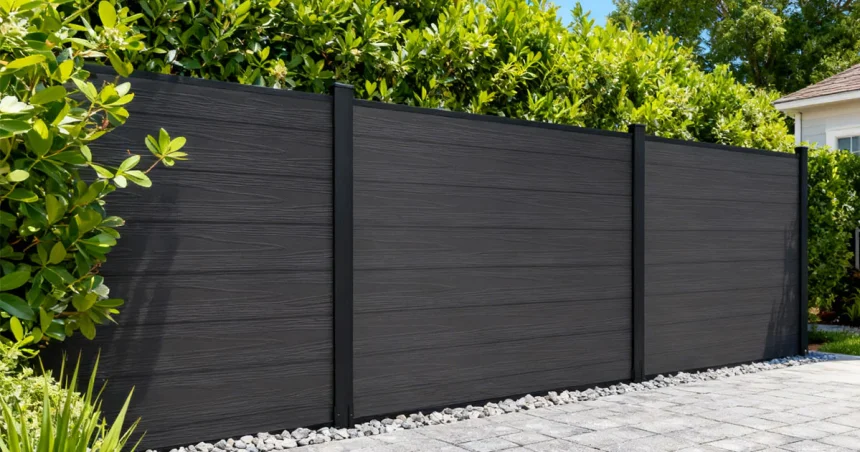
Fencing is essential for residential and commercial properties, offering privacy, security, curb appeal, and increased value. While traditional wood and metal fences remain common, many property owners now prefer composite fencing for its durability, low maintenance, and modern appearance. Composite fencing is gaining popularity for its ability to withstand harsh conditions while maintaining an attractive appearance over time.
Property owners increasingly seek low-maintenance solutions that do not compromise on style, making composite materials a practical investment. Composite fences provide versatility and reliability for residences, communities, commercial sites, and recreational areas. Understanding their advantages, design options, and maintenance benefits helps property owners make informed decisions when upgrading outdoor spaces.
What Are Composite Fences?
Composite fencing combines recycled wood fibers and plastics to replicate the look of natural wood while providing enhanced durability. This results in a strong, weather-resistant material that requires less maintenance than traditional fencing.
Unlike natural wood, composite materials resist many common issues, such as:
- Rot
- Warping
- Splitting
- Insect damage
- Moisture deterioration
- Fading from sun exposure
These qualities make composite fencing particularly appealing for properties in humid, rainy, or coastal climates.
The Growing Popularity of Composite Fencing
Property owners increasingly prioritize low-maintenance outdoor solutions that enhance curb appeal. Composite fencing meets these needs by offering a durable material that retains its appearance with minimal upkeep. Advancements in technology and manufacturing have led to composite fences with realistic wood textures, modern finishes, and customizable styles, appealing to a range of architectural preferences. Additionally, many composite fences incorporate recycled materials, which owners value.
Key Benefits of Composite Fencing
Composite fencing provides several advantages, making it a strong alternative to traditional materials.
1. Exceptional Durability
Many property owners select composite fencing for its durability. Composite materials withstand harsh weather and daily wear better than many traditional options. Composite fences are less likely than wood to crack, warp, or deteriorate over time. They are especially valuable in areas exposed to heat, rain, humidity, or salt air, and their long lifespan can reduce repair and replacement costs.
2. Low Maintenance Requirements
Wood fences require regular maintenance, including staining, painting, sealing, and repairs. Composite fencing significantly reduces these needs, typically requiring only occasional cleaning with water and mild soap. Property owners benefit from a high-end appearance without the ongoing labor or upkeep costs of wood. This low-maintenance feature appeals to busy homeowners, commercial properties, and large communities.
3. Attractive Modern Appearance
Composite fencing provides a sleek, contemporary appearance that complements both modern and traditional architectural styles. Available in various colors, textures, and finishes, it replicates wood’s natural beauty while maintaining a uniform, polished look. Many property owners value the clean lines and upscale look that composite fences add to outdoor spaces.
4. Increased Privacy
Composite fences are often solid-panel designs, ideal for creating private, quiet outdoor environments. Homeowners gain comfort and privacy in backyards, patios, pools, and entertainment areas, while businesses can secure workspaces and shield sensitive areas from view.
5. Resistance to Pests and Moisture
Traditional wood fencing is susceptible to termites, insects, mold, and moisture damage. Composite fencing resists these issues, extending its lifespan and reducing maintenance requirements.
6. Eco-Friendly Option
Many composite fences incorporate recycled plastics and reclaimed wood fibers, reducing waste and providing a more sustainable alternative to traditional materials. For environmentally conscious homeowners and businesses, composite fencing supports broader sustainability goals.
Common Applications for Composite Fencing
Composite fencing is suitable for a wide range of residential and commercial applications.
1. Residential Properties
Homeowners often install composite fences around backyards, pools, patios, and gardens to enhance privacy, security, and curb appeal.
2. Apartment Complexes and HOAs
Multifamily communities prefer composite fencing for its durability, uniform appearance, and reduced maintenance.
3. Commercial Properties
Businesses use composite fencing to secure outdoor storage, define boundaries, and enhance exterior aesthetics.
4. Recreational Areas
Parks, playgrounds, sports facilities, and recreational centers benefit from composite fencing’s resistance to weather and heavy use.
5. Pool Enclosures
Composite fencing provides safety and privacy around residential and commercial pool areas while maintaining an attractive appearance.
Design Flexibility and Customization
A key benefit of composite fencing is its design versatility. Property owners can customize fences to suit their style and specific requirements.
Popular design features include:
- Horizontal slat designs
- Traditional vertical panels
- Decorative accents
- Multiple color options
- Textured woodgrain finishes
- Privacy and semi-privacy styles
- Mixed-material combinations
This flexibility allows property owners to create outdoor spaces that reflect their personal preferences and design goals.
The Importance of Professional Installation
Composite fencing offers great durability and looks, but professional installation is vital for lasting performance.
Proper installation helps ensure:
- Structural stability
- Correct post placement
- Secure panel alignment
- Code compliance
- Proper drainage considerations
- Long-lasting durability
Improper installation can result in uneven panels, shifting posts, and premature wear. Property owners should work with experienced professionals familiar with composite materials and their structural requirements. Professional contractors can also assist property owners in selecting the optimal fence style, height, and layout based on their goals and site conditions.
Comparing Composite Fencing to Traditional Materials
Comparing composite fencing to other popular materials helps property owners determine if it meets their needs.
1. Composite vs. Wood
Wood offers a natural appearance but requires regular staining, sealing, and repairs. Composite fencing provides a similar look with less maintenance and greater resistance to moisture and insects.
2. Composite vs. Vinyl
Vinyl fencing is low-maintenance but may lack the realistic appearance and texture of many composite products. Composite fences often provide a more natural and upscale aesthetic.
3. Composite vs. Metal
Metal fencing provides excellent security and durability, but may not offer the same level of privacy or a warm appearance. Composite fencing creates a softer, more residential-friendly aesthetic.
Long-Term Cost Benefits
Although composite fencing may cost more upfront than some traditional materials, many property owners find that the long-term savings outweigh the initial investment. Reduced maintenance expenses, fewer repairs, and longer lifespan can make composite fencing highly cost-effective over time. Choose composite fencing today to enhance your property’s value and market appeal.
Maintenance Tips for Composite Fences
One of the biggest advantages of composite fencing is its relatively simple maintenance routine.
Routine Cleaning
Occasional washing with water and mild detergent helps remove dirt and debris.
Inspect Hardware
Fasteners and structural components should be checked periodically for stability.
Prevent Excessive Impact
While composite materials are highly durable, avoiding unnecessary heavy impacts can help preserve appearance and structural integrity.
Trim Nearby Vegetation
Keeping plants and shrubs trimmed away from the fence helps improve airflow and reduce moisture buildup. With minimal maintenance, composite fencing can remain attractive and functional for many years.
Why Composite Fencing Is a Smart Long-Term Investment?
Property owners seek outdoor solutions that combine beauty, durability, and practicality. Composite fencing meets these expectations with modern aesthetics, long-lasting performance, and reduced maintenance. Whether enhancing privacy for a home, securing a commercial property, or improving the appearance of a community space, composite fencing provides a versatile and reliable solution that continues to grow in popularity. Its ability to withstand harsh environmental conditions while maintaining its appearance makes composite fencing especially valuable for properties in demanding climates.
The Future of Modern Fencing Solutions
As outdoor design trends continue to evolve, property owners are placing greater value on fencing solutions that offer both visual appeal and long-term reliability. Composite fencing has emerged as a leading choice because it successfully combines modern aesthetics with impressive durability and minimal maintenance requirements. Composite fencing offers flexibility for improving privacy, securing commercial spaces, or enhancing residential curb appeal.
Its durability and polished appearance make it an ideal investment for those seeking reliable, long-term performance. With quality materials, careful planning, and professional installation, composite fencing delivers lasting beauty, enhanced security, and increased property value for years to come.