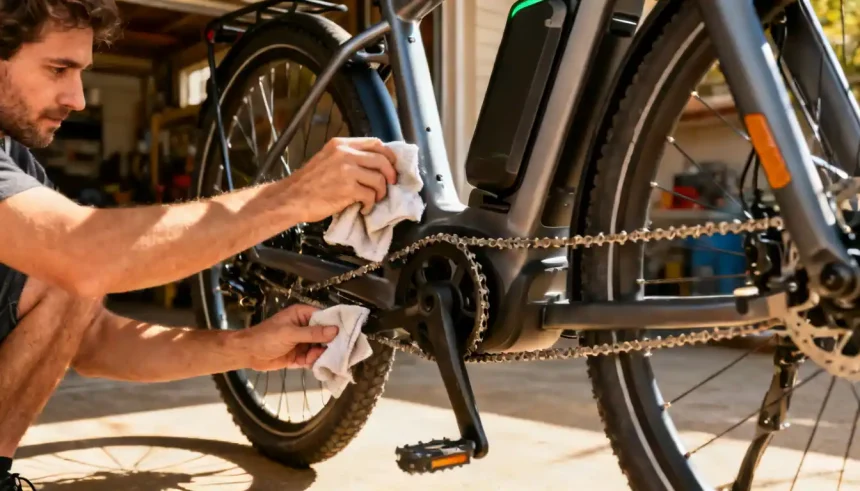
There’s something deeply satisfying about swinging a leg over your electric bike and feeling it respond instantly — the smooth hum of the motor, the crisp click of the gears, the effortless glide as you pick up speed. But that feeling doesn’t last by accident. Behind every joyful ride is a machine that quietly accumulates wear, dirt, and strain. The good news? A little regular attention goes a long way. Whether you’re a weekend cruiser or a daily commuter who racks up serious mileage, caring for your e-bike doesn’t require a mechanic’s certification — just some consistency, the right habits, and a genuine interest in keeping your two-wheeled companion healthy.
Battery Care: The Heart of Your Electric Bike
If the frame is the skeleton of your e-bike, the battery is its beating heart. Treat it well, and it will reward you with years of dependable range. Neglect it, and you’ll notice your rides getting shorter far sooner than they should.
Smart Charging Habits That Extend Battery Life
One of the most common mistakes new e-bike owners make is treating their battery like a smartphone — draining it to zero and then juicing it up to 100%. Lithium-ion batteries, which power nearly every modern e-bike, actually prefer living in the middle. Aim to keep your charge level between 20% and 80% for daily use. Fully charging to 100% is fine when you know you’ll need maximum range for a long trip, but making it a daily habit accelerates cell degradation over time.
Equally important is the timing. Avoid plugging in your charger the moment you return from a ride, especially on a hot day. Let the battery cool down for at least 30 minutes before charging. Heat is the silent enemy of lithium-ion chemistry, and stacking charging-generated warmth on top of ride-generated warmth is a recipe for accelerated aging. Use only the manufacturer-supplied charger — cheap knockoffs might save you a few dollars today but can cost you an entire battery pack tomorrow.
Seasonal Storage and Temperature Considerations
When winter rolls around or life keeps you off the saddle for a few weeks, don’t just park your e-bike and forget about it. Storing a battery at full charge or completely empty for extended periods causes permanent capacity loss. The sweet spot for long-term storage is around 50% to 60% charge. If you’re storing the bike for several months, check the charge level every four to six weeks and top it up slightly if needed.
Temperature matters enormously here. Batteries despise extreme cold and extreme heat alike. If you live somewhere with freezing winters, bring the battery indoors — a basement, closet, or any room-temperature space will do. Never store an e-bike battery in a freezing garage or a sweltering shed. And here’s a winter-specific tip many riders overlook: after riding in cold weather, let the battery warm up to room temperature before charging it. Charging a cold battery can cause lithium plating, which permanently damages the cells.
Drivetrain Maintenance: Keeping Things Spinning Smoothly
An e-bike’s drivetrain — the chain, cassette, derailleur, and chainring — works harder than the drivetrain on a traditional bicycle. The motor adds torque that a human leg simply can’t match, which means more stress on every link and tooth. Stay on top of drivetrain care and you’ll avoid expensive component replacements down the road.
Cleaning and Lubricating Your Chain
A dirty chain is a hungry chain — it eats through cassettes and chainrings with alarming speed. After riding through rain, mud, or dusty trails, grit works its way between the links and rollers, turning your chain into a fine-grit sanding tool. Make it a habit to wipe down the chain after particularly messy rides and give it a proper cleaning every couple of weeks.
Use a chain-specific degreaser and a cleaning tool or an old rag. Spin the pedals backward and let the degreaser do its work, then wipe everything dry before applying fresh lubricant. And here’s the part many people get wrong: more lube is not better. Apply one drop per link, let it penetrate for a few minutes, then wipe away every bit of excess. A wet-looking chain is a dirt magnet. A properly lubricated chain should feel almost dry to the touch.
Monitoring Chain Wear and Gear Shifting
E-bike chains wear out faster than those on traditional bicycles — sometimes in as little as 800 to 1,500 miles depending on riding conditions and power output. A chain wear indicator tool costs less than a coffee-shop lunch and takes seconds to use. Check your chain every month. If it stretches beyond 0.5% wear on a standard gauge, replace it promptly. Riding on a worn chain will destroy your cassette and chainring, turning a \$30 fix into a \$150 headache.
Pay attention to how your gears feel, too. If shifting becomes hesitant, noisy, or skips under load, your derailleur may need a slight cable tension adjustment or the hanger might be slightly bent. E-bike riders tend to shift less often than traditional cyclists because the motor picks up the slack, but this habit can lead to uneven cassette wear. Shift through your gears regularly and ease off pedal pressure momentarily when changing gears — this dramatically reduces stress on the entire system.
Brake System Care: Your Most Important Safety Net
An electric bike is heavier and faster than a conventional bicycle, which means your brakes are working a tougher job every single ride. Whether you’re running hydraulic discs, mechanical discs, or — on older models — rim brakes, regular inspection is non-negotiable.
Pad Inspection and Replacement
Check your brake pads at least once a month. Most disc brake pads have wear indicators or visible grooves — when those grooves disappear, it’s time for new pads. Riding with worn pads doesn’t just compromise stopping power; it can score your rotors, and rotors cost considerably more to replace. If you hear a harsh metallic grinding sound when braking, stop riding immediately and inspect. That sound means the pad backing plate is contacting the rotor.
For hydraulic disc brakes, also pay attention to lever feel. A spongy or soft lever that pulls closer to the handlebar than it used to suggests air in the lines or low fluid. Most hydraulic systems need a bleed every one to two years depending on use. It’s a slightly involved job, so if you’re not mechanically inclined, a bike shop can handle it during a routine tune-up.
Tire Health: Where the Rubber Meets the Road
Tires are easy to overlook because they seem simple, but they’re the only thing connecting you and your e-bike to the ground. The stakes are high.
Maintaining Proper Tire Pressure
Under-inflated tires increase rolling resistance, which forces your motor and battery to work harder — reducing range and accelerating tire wear. Over-inflated tires sacrifice grip and ride comfort, and they’re more prone to pinch flats. Check your pressure at least once a week with a reliable gauge; don’t rely on a squeeze test with your fingers. The recommended pressure range is printed on the sidewall of every tire. For most commuter e-bikes, 40 to 65 PSI is common, while fat-tire e-bikes may run as low as 15 to 25 PSI.
Tread Inspection and Rotation
Run your eyes and fingers over the tire tread during each pressure check. Look for embedded glass shards, deep cuts, or areas where the tread has worn smooth. Rear tires wear significantly faster on e-bikes because the motor’s torque plus rider weight concentrate on that contact patch. Some riders rotate their tires front-to-rear every 1,000 miles or so to even out wear, though this only works if both tires are the same size and model.
Cleaning Your E-Bike: The Right Way
Water and electronics have a famously troubled relationship, so cleaning an electric bike demands more care than hosing down a regular bicycle. The motor casing and battery housing are designed to handle rain and splashes, but high-pressure water is a different story entirely.
The Do’s and Don’ts of Washing
Before cleaning, always remove the battery and cover any exposed electrical contacts with the rubber caps your manufacturer provided. If your display isn’t easily removable, cover it with a plastic bag secured by a rubber band. Never use a pressure washer — the concentrated stream can force water past seals and into bearings, connectors, and the motor housing. Stick to a bucket of warm water with bike-specific shampoo, a soft brush for the drivetrain, and a sponge or microfiber cloth for the frame.
After washing, dry the bike thoroughly with a clean microfiber towel rather than letting it air-dry. Pay special attention to the chain and metal components, which can flash-rust if left wet. After drying, reapply chain lubricant since washing strips away the old layer of protection.
Software Updates and Electrical Connections
Modern e-bikes from brands like Bosch, Shimano, and Specialized are as much software as they are hardware. Manufacturers periodically release firmware updates that can improve motor efficiency, refine assist algorithms, and even fix bugs. Check your brand’s companion app or visit a certified dealer once or twice a year to ensure your system is running the latest firmware.
On the hardware side, periodically inspect all visible electrical connectors for signs of corrosion, especially if you ride in wet or coastal environments. A small dab of dielectric grease on connector pins can prevent moisture-related issues. Also check that all bolts and mounting points for the motor, battery cradle, and display are snug — vibration can loosen things over time.
When to Visit a Professional
You can handle most routine maintenance yourself with basic tools and a willingness to learn, but some tasks are best left to the pros. The motor itself — whether a hub drive or mid-drive — is a sealed unit that shouldn’t be opened by anyone other than an authorized technician. If you hear unusual grinding, clicking, or whining from the motor, or if the bike throws error codes on the display, don’t start unscrewing things. Book an appointment with a certified e-bike shop.
A professional tune-up every 12 months (or every 1,000 to 1,500 miles, whichever comes first) is a smart investment. During these visits, a mechanic will check spoke tension, true the wheels, bleed hydraulic brakes, inspect bearings, and run diagnostics on the electrical system — all things that are tedious or difficult to do at home. Think of it the same way you think of taking your car in for a service: preventive care costs far less than catastrophic repairs.
Building a Maintenance Routine That Sticks
The biggest barrier to e-bike maintenance isn’t complexity — it’s forgetfulness. Life gets busy, and a bike that’s running well tends to fade into the background. Here’s a simple rhythm to aim for: before every ride, squeeze the tires and brakes. Once a week, check tire pressure with a gauge and wipe down the chain. Once a month, clean and lubricate the drivetrain, inspect brake pads, and check for loose bolts. Every season, do a deeper clean, inspect the battery contacts, and evaluate tire wear. And once a year, treat your bike to a professional service.
Build these habits and they’ll eventually feel as natural as putting on your helmet. Your e-bike is an investment — not just financially, but in your freedom to move through the world with a smile on your face. A little care, given consistently, is all it asks in return.
About the Author: James Hartley is a cycling enthusiast and e-bike owner with over a decade of hands-on experience maintaining electric and traditional bicycles for both daily commuting and long-distance touring.