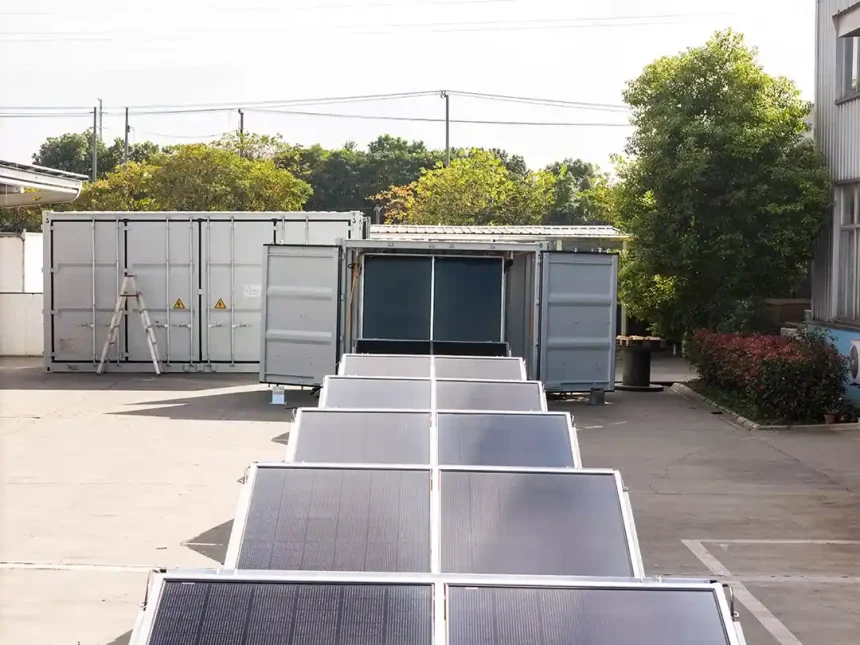
As the global demand for clean and reliable energy continues to grow, innovative technologies are transforming how electricity is generated and distributed. One of the most promising developments in modern renewable energy is the solar container. Designed for mobility, efficiency, and sustainability, a solar container kit offers a flexible power solution for industries, remote communities, disaster relief operations, and off-grid applications.
Portable renewable energy systems are becoming increasingly important in a world that values energy independence and environmental responsibility. A solar container combines solar power generation, energy storage, and smart management systems into a compact and transportable unit. This technology is reshaping the future of power generation by making renewable energy accessible anywhere.
What Is a Solar Container?
It typically includes solar panels, battery storage, inverters, monitoring systems, and electrical components that work together to generate and store clean electricity.
Unlike traditional solar installations that require permanent mounting structures, a solar container can be transported easily and deployed quickly in almost any location. This mobility makes it ideal for temporary sites, emergency situations, and remote areas without access to conventional power grids.
Most systems are designed to unfold or expand after transportation, allowing the solar panels to maximize sunlight exposure. Once deployed, the container functions as a complete renewable energy station.
How a Solar Container Kit Works
A solar container kit integrates several advanced technologies into one efficient package. Here’s how the system typically operates:
Solar Energy Collection
Solar panels mounted on or around the container absorb sunlight and convert it into electricity through photovoltaic technology.
Energy Conversion
The electricity generated by the solar panels is converted from direct current (DC) to alternating current (AC) using inverters, making it suitable for powering equipment and appliances.
Battery Storage
A built-in battery bank stores excess electricity generated during sunny periods.
Smart Energy Management
Modern solar container systems include monitoring software and smart controllers that optimize power usage, battery charging, and overall efficiency.
Portable Deployment
The container can be transported using standard trucks, ships, or cranes, allowing rapid deployment in different environments.
Key Benefits of Solar Container Systems
Mobility and Flexibility
One of the biggest advantages of a solar container is portability. Traditional solar systems are fixed in one location, while portable solar containers can be relocated whenever needed.
Industries such as mining, construction, military operations, and humanitarian aid benefit greatly from this flexibility.
Fast Installation
A solar container kit can often be deployed within hours instead of weeks or months. Since most components are pre-installed inside the container, setup time is significantly reduced.
This rapid deployment is especially valuable during emergencies or disaster recovery efforts.
Environmentally Friendly Energy
Solar containers produce clean electricity without harmful emissions. They help reduce dependence on diesel generators and fossil fuels, lowering carbon footprints and environmental damage.
As governments and businesses move toward sustainability goals, solar container technology is becoming an attractive green energy solution.
Cost Savings
Although the initial investment may seem high, solar containers can provide significant long-term savings. Fuel costs, generator maintenance, and transportation expenses are greatly reduced.
Organizations operating in remote areas often spend large amounts transporting diesel fuel. A solar container eliminates much of this recurring cost.
Energy Independence
Remote regions frequently experience unstable electricity supplies. A solar container allows communities and businesses to generate their own reliable power without depending on national grids.
Applications of Solar Container Technology
Remote Communities
Many rural areas around the world still lack reliable electricity. A solar container kit can deliver sustainable energy for schools, hospitals, homes, and communication systems.
These systems improve living conditions while supporting economic growth and education.
Construction and Mining Sites
Temporary industrial projects often require portable power sources. Diesel generators are expensive and environmentally damaging, making solar containers a cleaner alternative.
Construction companies can use solar containers to power tools, lighting, offices, and machinery.
Disaster Relief and Emergency Response
Natural disasters frequently damage electrical infrastructure. Solar containers can quickly restore essential power for medical facilities, communication equipment, and emergency shelters.
Because they are portable and easy to deploy, they are ideal for humanitarian missions.
Military Operations
Military organizations require reliable off-grid energy systems in remote or conflict areas. Solar containers reduce fuel dependency and improve operational efficiency.
Events and Festivals
Outdoor events often need temporary electricity for lighting, sound systems, and food vendors. Solar containers provide a quiet and eco-friendly alternative to noisy fuel generators.
Components Included in a Solar Container Kit
A standard solar container kit may include:
- High-efficiency solar panels
- Lithium-ion battery storage systems
- Inverters and charge controllers
- Power distribution units
- Cooling and ventilation systems
- Smart monitoring software
- Backup generator compatibility
- Foldable or expandable solar arrays
Some advanced systems also support hybrid energy integration, combining solar with wind turbines or backup generators for greater reliability.
Why Businesses Are Investing in Solar Containers
Businesses worldwide are increasingly adopting renewable energy technologies to meet environmental regulations and reduce operational costs. Solar containers offer several advantages for commercial users:
Reduced Operating Costs
Fuel prices continue to fluctuate globally. Solar energy provides predictable and stable operating expenses.
Improved Sustainability Reputation
Consumers and investors increasingly prefer environmentally responsible companies. Using solar container technology demonstrates a commitment to sustainability.
Scalability
Businesses can expand energy capacity by adding more solar containers as demand increases.
Lower Maintenance Requirements
Compared to diesel generators, solar systems have fewer moving parts and lower maintenance needs.
The Future of Portable Renewable Energy
The future of renewable energy lies in flexibility, efficiency, and accessibility. The solar container industry is expected to grow rapidly as battery technology improves and solar panel efficiency increases.
Emerging innovations may include:
- AI-powered energy optimization
- Advanced lithium battery storage
- Faster deployment systems
- Lightweight solar materials
- Smart grid integration
- Fully autonomous energy management
Governments around the world are investing heavily in renewable energy infrastructure, creating strong demand for portable energy solutions.
As climate change concerns continue to rise, portable solar systems will play an important role in reducing greenhouse gas emissions and supporting sustainable development.
Challenges Facing Solar Container Systems
While solar containers offer many benefits, there are still some challenges to consider:
Initial Investment Costs
The upfront cost of a solar container kit can be significant, especially for large-scale systems. However, long-term savings often outweigh the initial expense.
Weather Dependence
Solar energy production depends on sunlight availability. Regions with limited sunlight may require larger battery systems or hybrid energy support.
Transportation Logistics
Although portable, transporting large containers still requires suitable infrastructure and equipment.
Battery Lifespan
Battery systems eventually require replacement, which can add to long-term operational costs.
Despite these challenges, ongoing technological advancements are making solar container systems more affordable and efficient each year.
Choosing the Right Solar Container Kit
When selecting a solar container kit, several factors should be considered:
- Power output requirements
- Battery storage capacity
- Mobility needs
- Climate conditions
- Deployment speed
- Budget
- Maintenance requirements
Working with experienced suppliers ensures that the system is properly designed for your specific energy needs.
Conclusion
The rise of the solar container marks a major step forward in portable renewable energy technology. These innovative systems provide clean, reliable, and mobile electricity solutions for a wide range of applications, from remote communities to industrial operations and disaster relief efforts.
A modern solar container kit combines solar power generation, battery storage, and smart energy management into one compact unit, making renewable energy more practical and accessible than ever before.
As technology continues to evolve, solar containers are expected to become even more efficient, affordable, and widely adopted. Businesses, governments, and communities looking for sustainable power solutions are increasingly turning to portable renewable energy systems to meet their growing energy demands while protecting the environment.