Let’s be honest, getting to work shouldn’t feel like surviving a gauntlet. But for millions of people, that’s exactly what mornings look like: gridlocked highways, shoulder-to-shoulder transit cars, fuel bills that keep climbing, and a stress hangover that bleeds into the first three hours of your workday. Here’s the thing, though, that cycle is finally starting to break.
A genuine shift is underway. Commuters everywhere are discovering flexible transportation options that make daily travel faster, cheaper, and considerably less soul-crushing. Whether you’re fighting downtown congestion or navigating suburban distance, smarter choices are more accessible right now than at any previous point in history.
In 2023 alone, shared bike or scooter systems logged a record of 157 million trips across the U.S. and Canada. That’s not a passing trend. That’s a movement gathering real momentum.
The Shift Toward Flexible Transportation: Why It’s Happening Now
The way people get around has changed dramatically. Remote and hybrid schedules, worsening urban congestion, and a growing cultural awareness around sustainability have all pushed commuters to fundamentally rethink their routines. What used to feel like a fixed, unavoidable part of life now feels negotiable.
Why Rigid Commuting No Longer Works
Workers increasingly want control, not just over where they work, but how they get there. Daily commuting solutions today aren’t purely about reaching a destination. They’re about arriving with your energy intact. Hybrid schedules have made fixed transit timetables feel almost absurd by comparison. The commute should bend around your life, not the other way around.
The most popular alternatives responding to that demand are commuter-friendly e-bikes, electric scooters, carpooling platforms, microtransit services, and on-demand shuttles. Each solves a different problem; e-bikes combine physical movement with speed, while ride-sharing handles longer hauls and rough weather days without the overhead of car ownership.
What Modern Workers Are Actually Using
The most practical tools right now include e-bikes, e-scooters, AI-powered ride-matching apps, and multimodal platforms that tie together transit passes with micro-mobility options. Some AI scheduling tools now predict the fastest route using live traffic data, a genuine improvement over guesswork and muscle memory.
Understanding why this shift is accelerating is the first step toward making it work for you specifically.
The Real Advantages of Ditching the Traditional Commute
With this many alternatives available, the fair question is: do they actually deliver? Spoiler, yes, they do.
How Alternative Methods Stack Up
Compared to sitting alone in stop-and-go traffic or cramming into a packed subway car, alternative commute methods win on several meaningful fronts. Time savings are measurable; e-bikers frequently bypass congestion entirely. Stress drops noticeably when you’re not fighting for parking or waiting on a delayed bus.
Research published in 2024 confirms it: active travelers reported significantly better outcomes across all measurable well-being categories compared to vehicle commuters, while commuter stress was actually highest among regular public transit users. That’s a compelling reason to reconsider the default.
The Deeper Benefits You Might Overlook
Beyond the obvious wins, time saved, stress reduced, the benefits of flexible commuting ripple into your finances, physical health, and overall well-being in genuinely surprising ways. Fuel expenses vanish. Parking fees stop mattering. E-bikes specifically provide low-impact daily exercise without requiring separate gym time. And perhaps most underrated: shorter, lower-stress commutes measurably improve work-life balance over time.
Commuter-Friendly E-Bikes: One of the Strongest Options Available
Among all flexible transportation options delivering these outcomes, one stands out for accessibility and practicality across both urban and suburban contexts.
If you’re exploring well-designed options built specifically for everyday riders, commuter-friendly e-bikes from Street Rides offer electric-assist technology tailored to varied terrains, weather conditions, and fitness levels, systematically removing the barriers that keep people car-dependent longer than necessary.
What Makes Modern E-Bikes Actually Commute-Ready
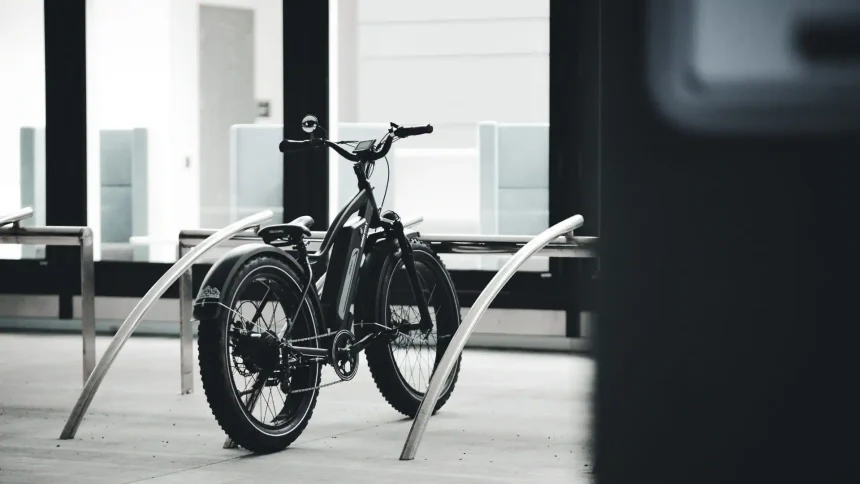
Today’s commuter e-bikes ship with smart navigation, long-range batteries, integrated lighting, and weather-resistant frames. These aren’t novelty gadgets you ride twice and store in the garage. They’re purpose-built tools engineered to handle real, daily commutes reliably for years.
Why E-Bikes Keep Winning Ground
They also pair seamlessly with existing transit infrastructure as first-and-last-mile connectors, extending the practical range of trains and buses without car dependency. From a purely financial standpoint, replacing car trips with e-bikes cuts business vehicle operational costs by at least 60%, a figure that matters equally for individuals and employers rethinking fleet decisions.
Getting Past the Common Hurdles
No commuting solution arrives without tradeoffs. Storage logistics, weather variability, and infrastructure gaps are all legitimate considerations worth addressing directly.
Removing the Barriers to Adoption
Employer-sponsored programs, secure bike parking, and flexible start-time policies are already helping commuters clear the most common obstacles. Meanwhile, cities are actively expanding protected bike lanes and launching e-bike incentive programs, making first-time adoption significantly more accessible than it was even two years ago.
The Digital Tools Making It Easier
Smart apps are handling the heavy lifting. Flexible daily commuting solutions are increasingly powered by real-time routing, integrated payment systems, and Mobility-as-a-Service (MaaS) platforms that consolidate multiple transit modes into a single interface. Getting started is genuinely easier than most people assume before they try.
How to Start Improving Your Commute Right Now
You have the context, here’s how to act on it practically.
Practical Steps for Making the Switch
Start by honestly evaluating your own commute, distance, terrain, budget, and schedule flexibility. Then consider combining modes strategically. Flexible transportation options consistently perform best when layered thoughtfully, like riding an e-bike to a transit hub and connecting by train from there. Also, don’t ignore local incentives. Many municipalities now offer tax credits or subsidized equipment programs for commuters actively reducing car dependency.
What’s Coming Next
AI route optimization, solar-assisted e-bikes, and community mobility hubs are all actively reshaping what commuting can look like at scale. The shared goal is helping people improve their commuting experience without requiring extra effort, extra expense, or a complete lifestyle overhaul.
The Commute Doesn’t Have to Be the Worst Part of Your Day
Here’s the straightforward reality: the shift toward flexible transportation options isn’t a trend that’ll fade quietly. It’s a fundamentally smarter way to live and work. Reduced daily stress, lower costs, and smaller environmental footprints, the benefits of flexible commuting show up across nearly every dimension of a commuter’s life. Alternative commute methods like e-bikes, shared scooters, and AI-powered transit tools have graduated well beyond the experimental stage. They work consistently and reliably.
Whether your goal is saving money, moving faster through your city, or simply arriving at your desk feeling like a functional human being, a solution exists that fits your specific situation. The commute doesn’t define your day. You do.
FAQs
1. What’s the most affordable flexible transportation option for daily commuting?
E-bikes and shared scooters typically offer the lowest cost-per-mile available. Many cities subsidize programs further, and the upfront cost of an e-bike is typically recovered quickly through eliminated fuel and parking expenses.
2. Are commuter-friendly e-bikes practical for longer suburban commutes?
Absolutely. Modern models handle 40–80 miles per charge, and combining them with transit lines for longer legs makes suburban commuting genuinely manageable without car dependency.
3. Can flexible transportation options integrate with existing transit passes?
Yes. Most MaaS platforms allow commuters to link existing transit cards with e-bike or scooter accounts, creating a single seamless payment system across multiple modes.