Understanding Why Custom Builds Need Specialized Coverage
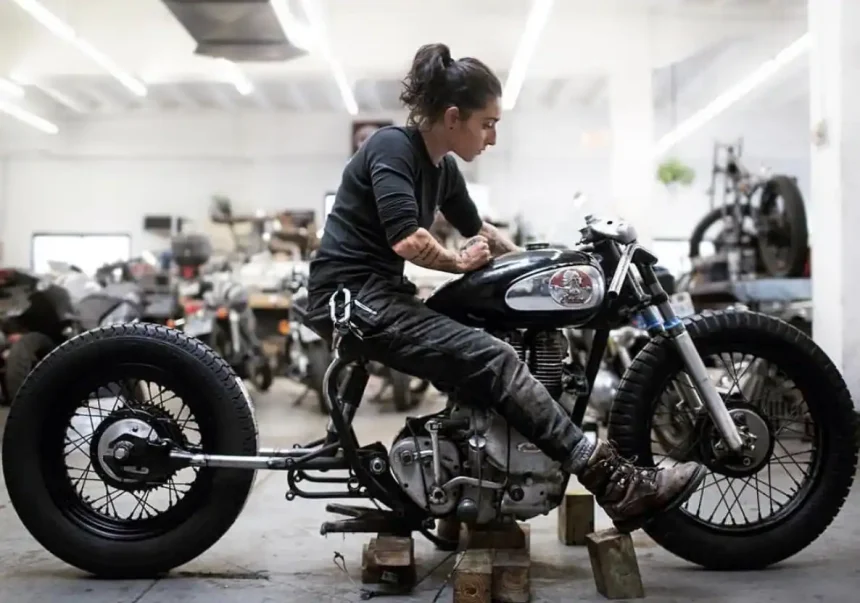
Custom motorcycle insurance isn’t a vanity add-on—it’s protection tailored to a bike that doesn’t fit standard molds. When you swap stock parts for performance exhausts, hand-built frames, bespoke paint, tuned suspensions, or rare OEM components, the bike’s value, repair paths, and risks all change. Specialized coverage accounts for:
- Agreed or stated value that reflects your build
- Coverage for aftermarket parts and accessories
- Flexible repair options (OEM, custom shops, or preferred builders)
- Broader transport and show coverage (trailers, events, and off-road storage)
- Higher limits for tools, gear, and riding apparel
Key Terms You Should Know
Before shopping, get fluent in policy language so you can compare apples to apples:
- Agreed Value vs. Actual Cash Value (ACV): Agreed value pays the amount you and the insurer set upfront for a total loss. ACV deducts depreciation. For custom bikes, agreed value is usually the safer choice.
- Stated Value: You declare a value, but the insurer may pay the lesser of stated value or ACV—read the fine print.
- Accessory/Custom Parts Coverage: Adds specific limits for non-stock parts—make sure it matches your build sheet.
- Physical Damage Coverage: Collision and comprehensive; look for modifications coverage under both.
- Liability Coverage: Covers injury or property damage to others; ensure limits reflect real-world risk.
- Diminished Value: Some policies compensate for value drop after repairs—rare but valuable for high-end builds.
- Trip Interruption and Towing: Useful for long rallies or cross-country rides.
Step-by-Step: How to Choose the Right Policy
1) Document Your Build and Set a Realistic Value
- Create a build dossier: parts list, invoices, photos, dyno sheets, and appraisals.
- Update it after every meaningful change (engine work, paint, wheels, electronics).
- Ask for an agreed value policy pegged to the dossier and a current appraisal.
2) Match Coverage to How You Ride
- Weekend cruiser vs. track days vs. daily commuter: your use case affects premiums and endorsements.
- If you haul to shows, add transport/trailer coverage and event liability where available.
- If you ride seasonal, consider lay-up or limited-use discounts.
3) Scrutinize Parts and Labor Provisions
- Confirm accessory/custom parts limits meet or exceed your build cost.
- Ensure freedom to use specialty builders or OEM/custom parts for repairs.
- Check paint-matching, bespoke fabrication, and finish-matching clauses.
4) Balance Deductibles and Limits
- Higher deductibles lower premiums but increase out-of-pocket risk.
- Set liability limits high enough for serious claims (often $250k/$500k or higher).
- Consider umbrella coverage if your assets or risk profile warrant it.
5) Compare Quotes the Right Way
- Request line-item breakdowns: base premium, custom parts coverage, transport, roadside, uninsured/underinsured motorist, medical payments, and add-ons.
- Standardize assumptions: same mileage, storage, zip code, rider profile, and security features.
- Evaluate claims reputation: turnaround times, specialty network access, and total-loss handling.
6) Don’t Skip Uninsured/Underinsured Motorist (UM/UIM)
- Custom bikes are magnets for attention—and sometimes collisions you didn’t cause.
- Robust UM/UIM helps when the other driver’s insurance can’t cover your losses.
7) Ask About Discounts Without Compromising Coverage
- Security devices, garaged storage, safety courses, multi-policy bundles, and limited annual mileage can help.
- Some carriers reward club memberships or advanced rider training.
Advanced Considerations for High-Value Builds
Track and Competition Use
Most standard policies exclude track, timed, or competition events. If you run track days, look for separate track-day coverage or specialty endorsements.
Rare Parts and Fabrication Delays
If a repair requires one-off fabrication or rare imports, ask about rental reimbursement extensions, storage fees, and timelines baked into claims.
International Travel and Shipping
If you tour abroad or ship your bike to events, confirm your policy’s geographic limits and whether temporary international coverage or a Green Card equivalent is available.
What Affects Premiums for Custom Motorcycle Insurance
- Rider profile: age, experience, record, and training
- Bike profile: engine size, performance mods, theft appeal
- Location and storage: garaged vs. street, security systems, zip code risk
- Usage: annual mileage, commuting, seasonal lay-up
- Coverage choices: agreed value, limits, deductibles, endorsements
Common Exclusions to Watch For
- Wear and tear, mechanical breakdown
- Racing, stunts, and organized speed events
- Unapproved modifications or illegal equipment
- Non-disclosed riders or usage changes
- Improper storage or neglect
Building a Smooth Claims Experience
- Keep your dossier current and backed up.
- Report incidents promptly and document with photos/video.
- Get repair estimates from builders who understand customs.
- Confirm salvage and title handling; negotiate for buyback options if you want to rebuild.
Quick Shopping Checklist
Must-Haves
- Agreed value matching your appraisal
- Sufficient custom parts/accessories coverage
- Strong UM/UIM and medical payments
- Freedom to choose qualified repair shops
Nice-to-Haves
- Diminished value protection
- Event/transport coverage
- Trip interruption and high-limit roadside
- Rental reimbursement tailored to motorcycle needs
FAQs
Is custom motorcycle insurance more expensive?
Often yes, because the bike’s value and repair complexity are higher. Smart discounts and accurate usage data can offset costs.
Do I need an appraisal?
If you want agreed value that truly reflects your build, an independent appraisal plus documentation makes underwriting smoother and claims cleaner.
Will my parts be covered if I install them myself?
Typically yes, if the parts are listed and the installation is safe and legal. Keep receipts and photos.
Can I switch to standard insurance later?
If you revert to mostly stock and the value aligns with market comps, you can, but review any coverage gaps before you do.
Bottom Line
For custom motorcycle insurance, precision beats assumptions. Document your build, choose agreed value, align coverage with real-world use, and work with a carrier that understands customs. The right policy protects not just a machine, but the craftsmanship and story you’ve invested in.