For women exploring the prospects of trekking in Nepal, rest assured — the experience is generally safe and welcoming. All you need to do is navigate the trekking trails with cultural awareness, along with relying on physical preparation.
Nepal is a safe destination in South Asia, even for solo female travelers. Therefore, the safety in the Himalayas is less about crime statistics and more about mastering the logistics, local norms, and high altitude realities.
Risks for women on the trekking trail rarely come from malicious intent. Instead, they usually arise from environmental miscalculations or a misunderstanding of social cues. That is why a practical approach to these factors creates a safety net, which is respectful to the local community, along with being workable and strong.
Cultural Dynamics: Dress and Perception
In Nepal, particularly in the remote villages, a woman traveling alone attracts curiosity. While rarely dangerous, the attention can often feel intense. This can feel awkward, and to manage this, adhere to modest dress codes. Cover your shoulders, chest, and knees — during temple visits as well as in everyday trekking. This serves as a daily buffer. Opt for loose, functional clothing as a sign of professionalism. It often elicits protective behavior from the locals rather than objectification.
Addressing Harassment Concerns
Cases of overt harassment are statistically rare on the high-altitude trails. That is because locals and guides follow a strong code of conduct. Thus, women are protected here. However, be ready to face stares of the locals — they are curious about the strangers visiting their places, and it is not offensive.
Likewise, verbal harassment exists, but is more likely in chaotic transport hubs of cities like Kathmandu than in regulated trekking areas of Nepal. Once on the trail, the social environment is largely self-policing, and this eventually promises a safe experience for female travelers.
Mandatory Guide for Safety
The recent shifts in regulatory provisions of Nepal have changed the safety landscape for trekkers. It means you must be accompanied by a licensed guide to trek in Nepal. This is the government’s push to limit solo trekking. But it offers a distinct security advantage for trekkers, especially female travelers.
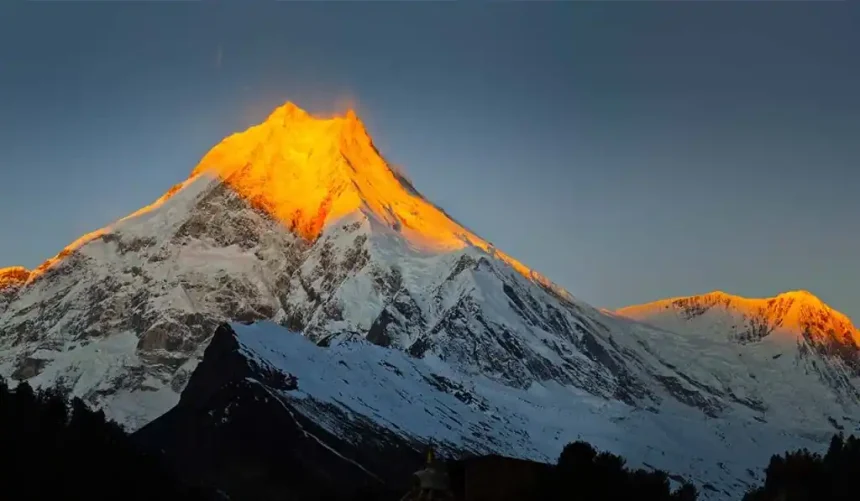
This is particularly evident in restricted areas like the Manaslu region. Unlike the busier and open trails of the Annapurna Circuit or the Everest Base Camp, the restricted areas operate under a controlled legal structure. This requires a trekker to obtain special permits, a licensed guide, and a minimum group size of two to be eligible to trek in these areas. In case you face any kind of difficulty, you always have a guide and a fellow trekker to support you.
Likewise, in the case of the Manaslu Circuit Trek and such other off-the-beaten-path treks in Nepal, solo travel is restricted. In these areas, the mandatory guide acts as a cultural bridge. The guide manages accommodation and can even deflect intrusive interactions.
Because the Manaslu, Kanchenjunga, or such other remote trails see fewer trekkers than the Everest, lodge owners and the guides generally know one another. This accountability also makes restricted areas arguably the safest zones for women in the Himalayas of Nepal.
Altitude: The Great Equalizer
Whether you are a male or a female, the altitude can impact anyone. There is a common misconception among travelers that altitude sickness varies by gender and that it affects women less. But the physiological reality is that the Acute Mountain Sickness (AMS), along with its severe forms (HAPE and HACE), is gender neutral. You should understand that the mountain reacts to ascent profiles, not fitness levels or sex.
Most importantly, discipline defines your safety on the trails of the Himalayas. Factors including hydration, ascent rate, and acclimatization affect the altitude-related risks. As a female trekker, do not succumb to the pressure of pushing through discomfort to prove your resilience. Rather, maintain a comfortable and gradual pace.
A professional guide will enforce rest days in your itinerary and make you descend if symptoms of altitude sickness appear. It is a critical intervention that solo trekkers might not get, as they may rationalize away the symptoms.
Therefore, following the itinerary with needed acclimatization days is your secret to completing a trek successfully as a female trekker. Add to that the rules of hydration, layered clothing, and a health check-up before the trip.
Accommodation and Privacy
During the trek, you live in a teahouse. And privacy here is physical, but the safety issue is social. The dining halls of teahouses serve as communal hubs where travelers as well as lodge owners gather. And this provides security for female travelers, as you are never alone.
However, the physical privacy requires a bit of caution, as the walls of the teahouses at higher altitudes are often made of thin plywood. As such, conversations can be audible. Carry a white noise app or earplugs for sleep. Furthermore, door locks tend to be flimsy, which is why carry a travel padlock.
Likewise, as you will be using communal washing facilities, as there are no attached baths in higher elevations, it requires planning. A sarong or a large quick-dry towel is of great use for navigating the transit between the shower and the bedroom discreetly.
Seasonal Risks and Connectivity
The seasonal calendar of Nepal also affects safety issues. Autumn and spring seasons bring stability to the trails. As a result, you can trek comfortably. But monsoon features leeches and slippery trails. Heavy rainfall and landslides might obstruct the trek during this time of the year. There is a limitation on the services available on the trek route in winter, despite this season offering solitude. You should consider these aspects before planning the Nepal trek.
Add to that the need for connectivity. In remote zones, mobile coverage is inconsistent. Lodges along the trekking trails feature Wi-Fi services, yet they are not reliable when the weather turns bad. As such, you should not rely only on a smartphone for safety. Professional guides carry satellite phones for communication in case of an emergency. This communication gap is one of the reasons why you should trek with a team.
Hygiene Issues
Every woman will struggle with managing menstrual hygiene if there is a lack of foresight when on a trekking trail. As popular trekking routes are accustomed to tourists, menstruation is not a stigma. Rather, the challenge is waste management. That is because villages lack the infrastructure to process sanitary waste.
It would be a negligent move to leave non-biodegradable products in a bin at 4,000 meters. So, travelers should carry zip-lock bags to pack out used products, including menstrual pads, until reaching a place with proper disposal facilities.
One of the hassle-free ways to deal with this is to carry menstrual cups. It is a zero-waste alternative that reduces this logistical burden.
Strategic Transportation
When heading to the trailhead from Kathmandu, you need to drive via rugged mountain roads. For this leg of the journey, prioritize private jeeps or registered tourist vehicles. They adhere to higher maintenance standards. Public vehicles are budget alternatives, yet they are overcrowded and poorly maintained.
However, if you are time-constrained or do not want the hassle of walking along the trekking trails, then you may opt for a heli tour. One of the options could be the Everest Base Camp Helicopter Tour — a journey to the Himalayas in the air without the struggle of sweating on the trekking route.