Fashion has always been a reflection of individuality. While trends come and go, personal style remains one of the most powerful forms of self-expression. In recent years, this desire for individuality has helped fuel a growing movement within the footwear industry: the rise of customised leather footwear.
What was once a niche hobby reserved for artists and sneaker enthusiasts has evolved into a global trend. Consumers are no longer satisfied with owning the same products as everyone else, and are increasingly looking for ways to personalise, restore and reinvent their footwear to reflect their own style and personality. As a result, leather footwear is experiencing something of a renaissance.
Why Customisation Is Growing
For decades, fashion largely followed a predictable cycle: brands launched collections, consumers purchased products, and trends shifted from season to season. Today, however, consumers are playing a far more active role in the creative process.
Social media platforms have exposed people to an endless stream of unique designs, one-off creations and personalised fashion projects. Whether it’s customised trainers, hand-painted boots or restored vintage footwear, individuality has become highly desirable.
The Appeal of Restoring Leather Footwear
Leather remains one of the most durable and versatile materials used in fashion. Unlike many synthetic alternatives, it can often be restored, refinished and recoloured multiple times throughout its lifespan, and scuffs, fading and signs of wear do not necessarily mean a pair of shoes has reached the end of its useful life.
For many consumers, restoration offers an opportunity to breathe new life into a favourite pair of shoes while preserving the quality and comfort they already enjoy. This approach also aligns closely with broader sustainability trends, encouraging consumers to extend product lifecycles rather than continuously purchasing replacements.
From Repair to Self-Expression
What makes today’s custom footwear movement particularly interesting is the way it blends practical restoration with creativity. A few years ago, most footwear repairs focused on returning shoes to their original appearance, but today, many people see restoration as an opportunity to create something entirely new.
Classic white trainers may be transformed with bold colours. Traditional leather shoes can be updated with contemporary finishes. Vintage footwear can be reimagined with unique designs that reflect personal tastes.
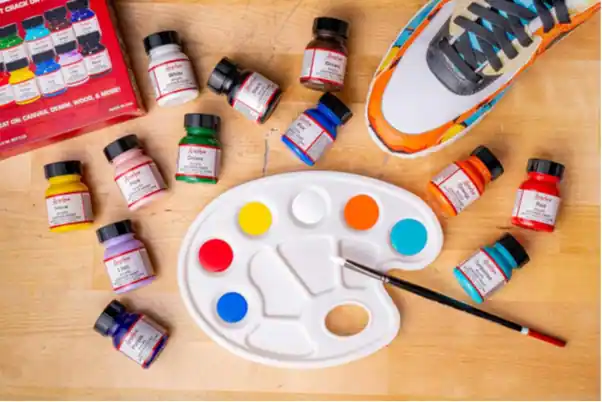
The growing availability of specialist products, including leather paints for footwear customisation, has made this process more accessible than ever before. Consumers no longer need professional workshop equipment to experiment with colour, creativity and design.
The Influence of Social Media
Platforms such as Instagram, TikTok and YouTube have played a major role in accelerating the custom footwear market, with thousands of creators sharing restoration projects, before-and-after transformations and custom paint designs with audiences around the world. These videos have helped demystify the process and inspired many people to attempt projects themselves.
The popularity of these transformations highlights an important shift in consumer attitudes. People increasingly value uniqueness over mass production and are willing to invest time in creating products that feel personal and meaningful.
Protecting the Finished Result
While creativity often receives most of the attention, long-term durability remains equally important. Customised footwear is subjected to the same daily wear as any other pair of shoes, and without appropriate protection, colours and finishes may deteriorate prematurely.
This is why many enthusiasts and professionals rely on protective leather finishers for customised footwear to help preserve the appearance of their projects and improve resistance to everyday wear. Proper preparation, application and finishing techniques can significantly improve both the appearance and longevity of customised footwear.
Sustainability Through Creativity
One of the most interesting aspects of the custom footwear movement is its connection to sustainability. Consumers are increasingly questioning the environmental impact of fast fashion and disposable purchasing habits, and customisation provides an alternative approach that encourages creativity while extending the life of existing products.
A pair of shoes that might otherwise be discarded can become a completely new fashion statement with the right skills and materials. This creates value not only for consumers but also for the wider fashion industry, as brands explore new opportunities within repair, restoration and aftercare services.
Looking Ahead
The market for custom leather footwear shows no signs of slowing down. As consumers continue to seek products that reflect their individuality, demand for restoration, personalisation and footwear customisation is likely to increase.
The combination of sustainability, creativity and self-expression makes customised footwear particularly relevant to modern fashion culture. In many ways, the future of fashion may not simply be about buying something new it may be about reimagining something you already own and transforming it into something entirely unique.