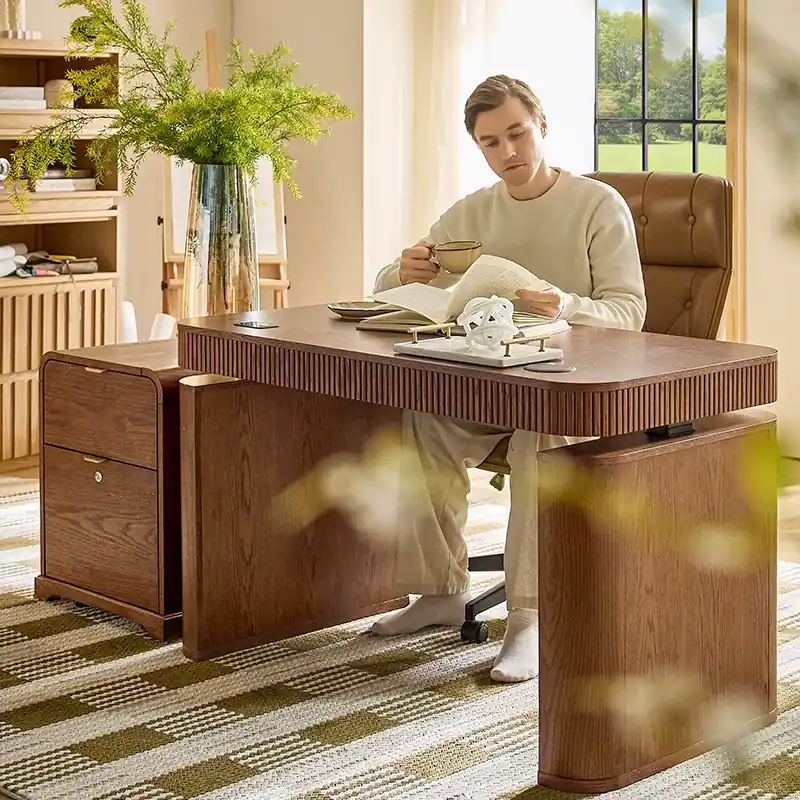
A New Era of Living at Home
The way people use their homes in the UK has changed more in the past few years than in the previous few decades combined. Homes are no longer defined by fixed functions. Instead, they are expected to support a constantly shifting mix of work, rest, socialising, and daily routines.
This evolution has given rise to what is now widely described as hybrid living — a lifestyle where boundaries between activities are fluid, and rooms must adapt throughout the day.
As a result, furniture design is undergoing a quiet transformation. The focus is shifting away from static, single-purpose pieces and moving toward flexible furniture that can respond to changing needs.
Why Static Furniture No Longer Fits Modern Life
Traditional furniture was designed for predictable routines. A sofa was for sitting, a bed was for sleeping, and a desk was for working. This worked well when homes had clearly defined roles for each room.
Today, however, UK households often operate differently:
- living rooms double as workspaces
- dining tables are used for meetings and study
- bedrooms sometimes function as quiet offices
- open-plan areas serve multiple purposes in one day
In this environment, fixed furniture can feel limiting. It restricts how a space can be used and often forces homeowners to adapt their behaviour around the furniture rather than the other way around.
This mismatch between design and lifestyle is one of the key reasons flexible furniture has become so important.
What Flexible Furniture Really Means
Flexible furniture is not just about pieces that move or fold. It is a broader design philosophy focused on adaptability, efficiency, and ease of use.
It typically includes:
- adjustable height or configuration options
- modular or reconfigurable structures
- multifunctional design features
- compact, space-saving proportions
- seamless integration with different room uses
The goal is simple: create furniture that supports more than one way of living without compromising comfort or style.
The Influence of Hybrid Work Culture
One of the biggest drivers of this shift is hybrid working. With many professionals splitting their time between office and home, domestic spaces now need to function as workplaces as well as living environments.
This has significantly changed expectations for home furniture. A workspace at home is no longer temporary — it is a long-term part of daily life.
As a result, people are looking for furniture that can:
- support long hours of focused work
- adapt to different tasks throughout the day
- transition easily between work and leisure use
- maintain comfort in shared spaces
Flexible furniture helps bridge the gap between professional and personal life without requiring separate rooms for each function.
Small Spaces, Bigger Expectations
Space limitations are another major factor shaping this trend. Many UK homes, particularly in urban areas, are compact and require careful use of every square metre.
In these environments, furniture must do more with less. A single item often needs to serve multiple purposes rather than occupying space for only one function.
This has led to a growing preference for:
- adjustable desks and tables
- foldable or extendable furniture
- modular storage systems
- multi-use seating solutions
Within this shift, solutions such as an Adjustable Standing Desk are becoming a practical example of how flexibility can be built directly into everyday furniture.
Designing for Movement and Change
One of the most important ideas behind flexible furniture is that homes should support movement — not just physical movement, but also functional change.
A space should be able to shift easily from one purpose to another without creating disruption or clutter. This means furniture must be lightweight in feel, adaptable in function, and simple to reconfigure.
When furniture supports this kind of fluidity, it reduces the effort required to maintain a home. Rooms can be reset quickly, and daily transitions feel more natural.
The Emotional Benefits of Flexible Living
Flexible furniture does more than solve practical problems — it also has a strong emotional impact.
A rigid, cluttered, or poorly adapted space can create subtle stress throughout the day. Even small frustrations, such as uncomfortable seating or awkward layouts, can build up over time.
In contrast, flexible furniture helps create a sense of ease. When a space can adapt quickly and effortlessly, it feels more in tune with the people using it.
This contributes to:
- reduced daily friction
- improved sense of control
- greater comfort during long periods at home
- a calmer overall environment
In many ways, flexibility is becoming closely linked with wellbeing in modern interior design.
Aesthetic Simplicity and Modern Interiors
Another reason flexible furniture is gaining popularity is its alignment with modern design aesthetics. UK interiors are increasingly moving toward:
- clean, minimal layouts
- neutral colour palettes
- natural materials
- uncluttered visual spaces
Flexible furniture fits naturally into this style because it avoids excess and focuses on purposeful design. Instead of multiple bulky pieces, a single adaptable item can serve several roles while maintaining visual simplicity.
This helps create homes that feel more open, balanced, and cohesive.
A Shift in How People Define “Good Furniture”
Perhaps the most significant change is in how people define quality furniture. It is no longer just about appearance or durability — it is about adaptability.
Good furniture today is expected to:
- evolve with changing routines
- support multiple functions
- integrate into different spaces
- reduce complexity in daily life
This reflects a broader cultural shift toward more intentional, flexible living.
Homes That Adapt With Life
The rise of flexible furniture for hybrid living reflects a deeper transformation in how people experience their homes. Life is no longer structured around fixed routines, and homes are no longer expected to serve single, static purposes.
Instead, they are becoming dynamic environments that change throughout the day.
Flexible furniture is at the centre of this evolution. It allows spaces to adapt, reduces friction in daily life, and supports a more natural way of living.
In the end, the shift toward flexibility is not just about furniture design — it is about creating homes that move with life, rather than against it, with brands like Hulala Home helping to shape this modern approach to interior living.