Most homes own a single cleaning machine and expect it to do everything. It sweeps the kitchen, the hallway, the living room rug, and the spot where someone dropped a glass of juice last week. The result is usually a compromise. One tool handles dry crumbs well and wet spills poorly, or the other way around. Floors stay almost clean and never quite finished. The fix is rarely a more expensive machine. It is matching the method to the mess.
Key Takeaways
- Most indoor floor mess is tracked in from outside, which makes daily maintenance more valuable than the occasional deep clean.
- Dry debris and wet or sticky messes need different tools. Asking one machine to do both leaves both jobs half done.
- Automating the daily dry pass frees your time for the messes that genuinely need hands-on attention.
- A few entryway habits cut the total workload more than any single device.
Where Floor Mess Actually Comes From
Most of what dirties your floors does not start inside the house. It arrives on shoes, feet, and paws from outdoors.
According to University of Georgia Extension guidance that draws on research from the Environmental Protection Agency, the first four steps you take through your front door deposit close to 85 percent of the outdoor contaminants found inside a home. Around 30 to 40 percent of household dust is tracked in from outside rather than created indoors. That single fact reshapes how to think about floor care. The entryway is the highest-value place to clean, and a quick daily pass stops that material before it spreads through the rest of the rooms.
The Case for Splitting the Job in Two
Floor cleaning is really two separate problems. One is the steady build-up of dry debris. The other is the occasional wet or sticky mess. The tools that solve each are not the same.
Automate the daily dry pickup
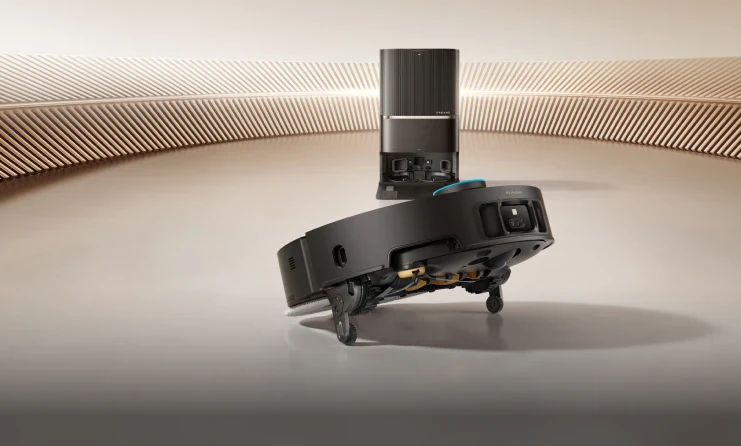
Dry debris such as dust, crumbs, and hair builds up every day, whether or not you notice it. This is the work best handed to a machine. A robot vacuum set to run while you are out keeps the baseline level of dust and grit low without taking any of your time. Because it runs often, no single pass has to be exhaustive, and the floors never reach the state where deep cleaning feels urgent.
Tackle wet and sticky messes properly
Dry suction cannot fix a spilled drink, muddy paw prints, or the greasy film left on a kitchen floor after cooking. For those, a wet dry vacuum does in one pass what a mop and a dry vacuum do in three. It lifts the loose debris and washes the surface at the same time, without pushing dirty water around the way a traditional mop tends to. On sealed hard floors, that is the difference between a floor that looks clean and one that actually is.
Match the Method to the Floor
The right combination depends on what your floors are made of. Hard surfaces, carpet, and mixed homes each reward a slightly different split.
Hard floors
Sealed hard floors show every crumb and every streak, so they gain the most from frequent dry pickup paired with periodic wet cleaning. Daily automated passes handle the dust, and a wet clean once or twice a week handles the residue.
Carpet and rugs
Carpet hides debris but holds onto it, including the tracked-in material noted earlier. Here, regular dry vacuuming with strong suction matters more than wet cleaning, which should stay occasional and thorough rather than routine.
Mixed homes
Most homes have both surfaces. The practical approach is to let an automated dry pass cover the whole floor daily, then use the wet tool only where it belongs, on the hard surfaces.
Small Habits That Multiply the Effect
Your cleaning tools do less work when less mess reaches the floor in the first place. A few entryway habits make the biggest difference.
Place a coarse mat outside each exterior door and a softer absorbent mat just inside, so shoes shed grit and moisture before they reach living areas. Encourage a shoes-off habit near the door, which the same research links to a sharp drop in tracked-in dust and chemicals. Groom pets often and wipe paws after walks. None of these steps takes real effort, and together they cut how often the heavier cleaning has to happen at all.
The Payoff of a Two-Part System
Keeping floors genuinely clean is less about owning the most powerful machine and more about using the right one for each job. Let automation handle the daily dust so it never accumulates. Keep a dedicated tool for the wet and sticky messes that dry suction will always fail. Add a few habits at the door to reduce the mess at its source. That combination keeps a home’s floors clean with far less time and frustration than asking one device to be everything at once.