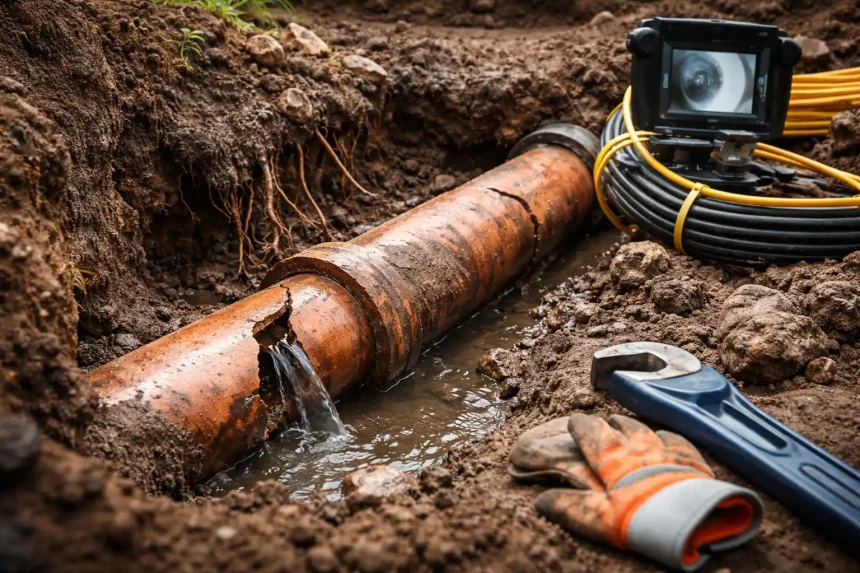
Drainage issues are becoming harder for London homeowners to ignore in 2026. Across the capital, ageing pipework, everyday household waste, tree root growth, and periods of heavy rainfall can all place extra strain on domestic drainage systems. In many properties, the first warning signs are subtle, such as slow-draining sinks, unpleasant smells, gurgling noises, or water backing up where it should not. For homeowners already dealing with blocked drains in London, understanding the most common problems can help them act earlier, reduce disruption, and avoid more expensive repairs later on.
Blocked Drains from Grease & Waste Build-Up
One of the most common drainage issues in London homes is the gradual build-up of grease, food waste, hair, soap residue, wipes, and other foreign objects inside the pipework. These materials do not always cause an immediate blockage. More often, they collect slowly along the inside of the drain until water can no longer pass through properly. That is when homeowners begin to notice slow drainage, foul odours, and repeated backups in sinks, showers, or toilets.
Kitchen drains are especially vulnerable because fats, oils, and grease can cool and harden once they move further into the system. In bathrooms, hair and soap scum are frequent causes of restriction, while toilets are often affected by items that should never have been flushed in the first place. Although the symptoms may begin as a minor inconvenience, repeated build-up usually points to a blockage that needs proper attention before it worsens.
Tree Root Intrusion in Underground Pipes
Tree roots are another major cause of drainage trouble, particularly in areas with older underground pipework. When a drain develops a small crack or weakness, roots are naturally drawn towards the moisture escaping from the pipe. Once inside, they continue to grow and can quickly obstruct the flow of wastewater, while also placing extra pressure on the drain itself.
This type of problem is often hidden for a long time because it develops below ground. A homeowner may only realise something is wrong when blockages keep returning or several drains around the property begin running slowly at the same time. In cases like this, the issue is rarely solved by surface-level clearing alone, because the obstruction is tied to the condition of the pipe itself rather than a simple waste build-up.
Collapsed or Damaged Drain Pipes
Sometimes the problem is not a blockage but structural damage within the drain system. Cracked, collapsed, or misaligned pipework can interrupt the normal movement of wastewater and create the conditions for repeated blockages, bad smells, and persistent drainage issues. This is especially relevant in older properties where underground drains may have been in place for decades.
Damaged drains can be caused by age, ground movement, root pressure, or long-term wear and tear. When that happens, temporary fixes rarely solve the wider issue for long. This is often the stage where homeowners begin searching for drain services London households can rely on to inspect the system properly, identify the source of the fault, and recommend the right repair rather than simply clearing the symptom.
Slow Drainage & Recurring Blockages
Slow drainage is one of the easiest problems to dismiss, yet it is often one of the clearest warnings that something within the system is starting to fail. Water may still be draining away, but not at the normal speed, which usually suggests a partial blockage, early debris build-up, or an issue further down the line. Over time, this can develop into a recurring cycle of brief improvement followed by another blockage.
Repeated symptoms are what make this problem so frustrating. A sink may drain slowly for weeks, then appear to improve, only to clog again shortly afterwards. The same pattern can happen with toilets, showers, and outdoor drains. In many cases, recurring blockages are a sign that the underlying cause has not yet been properly diagnosed, which is why professional inspection and targeted clearing methods are often needed to restore reliable flow.
Flooding During Heavy Rainfall
Periods of heavy rainfall can place immediate pressure on domestic drainage systems, especially where outdoor drains are already partly blocked by leaves, dirt, or debris. In London, this can quickly lead to standing water around the property, overflowing external drains, or water backing up faster than the system can carry it away. Even where the rain is the trigger, the underlying problem is often poor drainage performance that has been building up for some time.
This is why regular maintenance matters so much. When gullies and outdoor drains are left unchecked, even a moderate storm can expose weaknesses in the system. For homeowners, flooding is often the point at which a hidden drainage issue becomes impossible to ignore, particularly if water begins affecting access points, garden areas, or the lower parts of the property.
Rodents Entering Through Drain Systems
Rodents entering through drains is one of the most unpleasant drainage-related problems a homeowner can face. Rats can use damaged joints, cracks, and weak points in the drainage network as access routes, moving through underground pipework before entering a property through vulnerable sections of the system. This issue is often connected to wider drainage faults, because the same structural weaknesses that affect performance can also create openings for pests.
The challenge is that the warning signs are not always obvious at first. Unpleasant smells, scratching noises, contamination, or repeated activity around drainage points may all suggest there is a problem. In more serious cases, proper diagnosis is needed to identify how rodents are moving through the system, followed by targeted prevention measures that block re-entry while allowing the drains to continue functioning as they should.
The Bottom Line
For London homeowners, most drainage problems begin with small warning signs rather than sudden failure. Slow drainage, recurring blockages, foul odours, flooding, pipe damage, and pest activity all point to issues that are easier to deal with when caught early. Leaving them too long can lead to more disruption, more damage, and higher repair costs.
Whether you are researching blocked drains in London after noticing the first signs of trouble or comparing drain services available in London for a problem that keeps returning, the most sensible step is to investigate the cause before it develops further. Acting early is usually the best way to protect both your drainage system and your property as a whole.