Sweaters are among the most essential garments in cold-weather fashion. They combine warmth, comfort, and versatility, making them a core part of wardrobes across all age groups. From fashion-forward designs produced in a Women’s sweater factory to durable men’s styles and ultra-soft baby knitwear, sweaters are produced with highly specific design goals, materials, and manufacturing methods.
Understanding these differences helps explain how the sweater industry balances function, aesthetics, and safety across diverse consumer needs.
Women’s Sweaters: Where Style Meets Comfort
Women’s sweaters represent one of the most diverse categories in knitwear. Unlike purely functional garments, women’s designs often combine fashion trends with seasonal practicality, making this category highly dynamic within the wool sweater manufacturer industry.
Popular Styles
Women’s sweaters come in a wide range of silhouettes, including:
- Cardigans
- Pullovers
- Turtlenecks
- Oversized knits
- Cropped sweaters
- Chunky winter knits
Each style serves a different purpose—from lightweight layering pieces to heavy winter insulation.
Fabric and Material Choices
Fabric selection plays a central role in women’s knitwear production. Common materials include:
- Wool (for warmth and structure)
- Cotton (for breathability and comfort)
- Acrylic (for affordability and durability)
- Cashmere (for premium softness and luxury appeal)
- Blended fabrics (for balancing cost, feel, and performance)
Fine-gauge knitting is often used for formal or elegant designs, while thicker knits are preferred for casual or winter-heavy collections.
Fashion and Manufacturing Influence
Women’s sweaters are strongly influenced by seasonal fashion cycles. Designers frequently experiment with:
- Sleeve shapes and lengths
- Neckline variations
- Patterns and textures
- Decorative elements like embroidery, buttons, and prints
On the manufacturing side, sweater production facilities manage everything from sampling to mass production, ensuring consistency in sizing, stitching, and finishing.
Men’s Sweaters: Functionality and Durability First
Men’s sweaters are typically designed with an emphasis on practicality, durability, and timeless style rather than fast-changing fashion trends.
Common Styles
Men’s knitwear generally includes:
- Crew neck pullovers
- Turtlenecks
- Zip-up sweaters
- V-neck knits
- Cardigan layers
The color palette is usually restrained and versatile, featuring:
- Black
- Navy
- Grey
- Brown
- Earth tones
These colors support easy pairing with both casual and semi-formal outfits.
Fabric and Performance Focus
Durability is a major priority in men’s sweater design. Fabrics are chosen for:
- Long-term wear resistance
- Shape retention after washing
- Thermal insulation
Common materials include wool and wool blends, which provide warmth and structural strength. Cotton sweaters are also widely used for lighter layering in transitional seasons.
Manufacturing Priorities
Men’s knitwear production focuses heavily on:
- Consistent sizing across batches
- Fabric strength and resilience
- Quality control for repeated washing cycles
The goal is to ensure garments maintain their fit and appearance over time, even with frequent use.
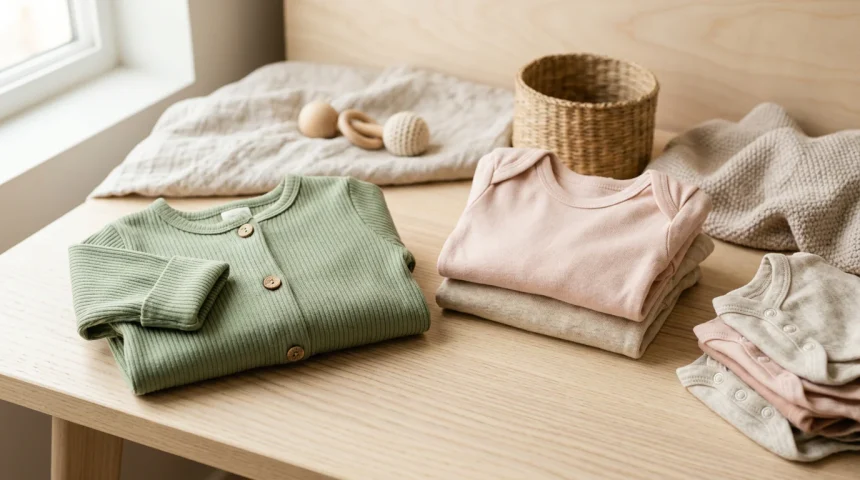
Baby Sweaters: Safety, Softness, and Comfort Above All
Baby sweaters are designed under completely different priorities compared to adult knitwear. In this category, safety and skin sensitivity are the most important factors.
Key Design Considerations
Baby skin is highly delicate, so materials must be:
- Hypoallergenic
- Breathable
- Free from harsh chemicals or irritants
To ensure comfort, manufacturers prioritize ultra-soft textures and gentle finishes.
Materials Used
Common materials in baby sweaters include:
- Organic cotton
- Soft wool blends
- Gentle acrylic fibers
These fabrics are selected for their softness and ability to avoid irritation.
Functional Design Features
Baby sweaters also include practical design elements such as:
- Envelope necklines for easy dressing
- Stretchable fabrics for flexibility
- Flat or external seams to prevent chafing
- Lightweight construction for comfort
Color palettes often lean toward:
- Pastels
- Soft neutrals
- Light playful tones
While comfort remains the priority, decorative patterns and small knitted designs are often used for visual appeal.
Sweater Production: Materials and Manufacturing Process
The sweater industry is built on a combination of textile science and industrial knitting technology.
Core Materials
The most widely used fiber in sweater production is wool due to its:
- Excellent insulation
- Moisture-wicking ability
- Natural breathability
However, modern manufacturing frequently blends wool with synthetic fibers like acrylic to improve:
- Affordability
- Durability
- Ease of maintenance
Manufacturing Techniques
Sweater production involves both traditional and modern methods, including:
- Hand knitting (artisanal and limited production)
- Machine knitting (large-scale industrial production)
- Hybrid systems combining automation with manual finishing
Factories manage multiple stages:
- Yarn sourcing and preparation
- Knitting and shaping
- Assembly and stitching
- Washing and finishing
- Quality control inspection
This ensures consistency across large production batches while adapting to seasonal fashion changes.
Industry Trends: Sustainability and Durability
The sweater industry is undergoing major transformation driven by consumer awareness and environmental concerns.
Sustainability Shift
Manufacturers are increasingly adopting:
- Eco-friendly dyes
- Recycled fibers
- Ethical sourcing practices
- Reduced water consumption techniques
Sustainability is no longer optional—it has become a competitive requirement as consumers demand transparency in production.
Focus on Longevity
Another important trend is the shift away from fast fashion. Modern consumers prefer:
- Long-lasting garments
- Higher-quality materials
- Timeless designs over seasonal trends
This has encouraged brands to invest more in craftsmanship and durable fabric selection.
Conclusion
Sweaters may appear simple, but their production is highly specialized across different user groups. Women’s sweaters prioritize style and seasonal versatility, men’s sweaters focus on durability and practicality, and baby sweaters emphasize safety and softness above all else.
Behind all categories lies a complex manufacturing system that combines textile engineering, fashion design, and evolving sustainability standards. As the industry continues to advance, sweaters are becoming not only more efficient to produce but also more aligned with modern expectations of comfort, quality, and environmental responsibility.