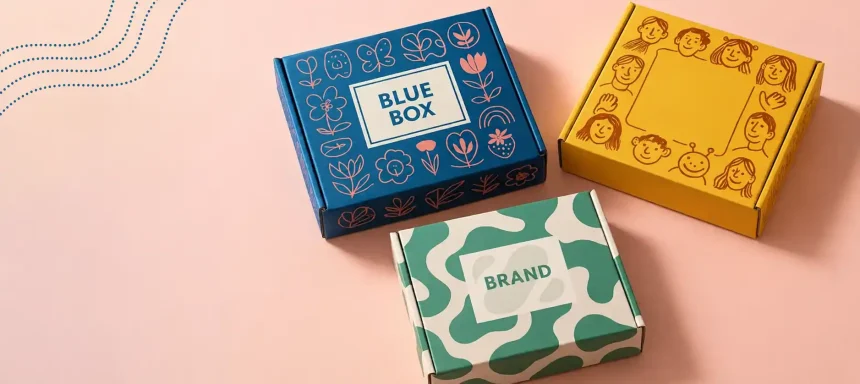
Trust begins before a customer touches the product. When an order arrives in packaging that matches the website, carries clear sender information and looks securely prepared, the buyer receives immediate reassurance that the purchase is legitimate and cared for. Logo packaging is not a guarantee of quality, but it is a visible signal of consistency and accountability.
This matters particularly for first orders, gifts and high-value products. UK brands should use the logo as part of a wider trust system that includes print quality, accurate information, secure closure and a professional delivery presentation.
Confirm the identity of the sender
The box should make it easy for the customer to connect the parcel with the order they placed. Use a clear brand name and consistent visual cues while keeping sensitive product details discreet on the outside. This matters because packaging performance is judged in use, not in a design file. Create a short checklist covering dimensions, material, artwork position, assembly and acceptance criteria, then use the same checklist for samples and deliveries.
Maintain consistency from screen to doorstep
Businesses sourcing Custom Boxes London should provide the supplier with approved logo files, colour references and placement rules. The delivered print should match the identity customers saw on the website and order confirmation. The practical value appears when the rule can be repeated across normal orders. Ask the team that packs, stores, displays or returns the product to review the proposal before production, because small practical issues are easiest to solve at sample stage.
Use print quality as a reliability signal
Blurred logos, weak colour and misaligned labels can suggest poor control even when the product is excellent. Agree tolerances and approve a physical sample so production quality is judged against a standard.
Combine branding with secure closure
Tamper evidence, strong seams and a clean closure help customers feel the order has not been disturbed. Security details should be easy to understand without making the package difficult to open. The strongest result comes from combining design intent with operational reality. Prototype the complete pack and observe how a person uses it without explanation.
Keep information clear and honest
Add a return address, relevant handling information and simple disposal guidance. Avoid unsupported sustainability or performance claims because trust can be damaged quickly when packaging language appears exaggerated. For a growing business, repeatability is as important as the first visual impression. Keep an approved physical sample and a written specification. These references make it easier to maintain quality when volumes increase, artwork changes or another supplier is considered.
Use mailer formats for a coherent arrival
Branded Custom Mailer Boxes can provide a flat label area, protected product space and an organised opening sequence. Consistent dimensions and closure positions also help fulfilment teams produce a reliable result.
Set a review date after launch and use customer comments, damage records and packing observations to decide whether the feature should be retained, simplified or strengthened.
Avoid overbranding the delivery
A large, repeated logo may create privacy or security concerns for certain products. Use a recognisable but restrained exterior and place richer storytelling inside where the customer controls the experience. Treat the decision as part of the wider product and customer journey rather than an isolated print choice.
Avoid changing several variables at once. A controlled test makes it easier to understand whether the structure, print, insert or message caused the improvement.
Use restraint for privacy and security
Some categories, including jewellery, health, technology and gifts, may benefit from discreet outer packaging. Trust does not require announcing the contents to everyone who sees the parcel.
A restrained mark, sender name or recognisable colour can confirm identity while detailed branding remains inside. Review the balance with customer expectations and delivery risk. The objective is to reassure the buyer without increasing unwanted attention or making returns difficult.
Common Mistakes to Avoid
A logo alone cannot create trust if the print is poor, the closure looks disturbed or sender information is unclear. Avoid oversizing the mark and repeating it on every panel, especially for products where discreet delivery matters. Do not use different logo files or colour references across suppliers, and never approve production from a low-resolution digital visual.
Another mistake is making broad environmental or security claims without evidence. Trust grows from several consistent signals working together: accurate branding, secure construction, honest information, good fit and a dependable opening experience.
A Practical Next Step
Choose one representative product and turn the recommendations in this article into a one-page packaging brief. Include the packed dimensions, product risk, sales channel, required messages, target order quantity and the customer experience you want to create.
Conclusion
Logo packaging builds trust by making the delivery feel consistent, accountable and professionally prepared. UK brands should focus on accurate reproduction, secure closure and clear information rather than simply increasing logo size. The best result links the digital purchase to the physical arrival while respecting privacy and usability. When the pack looks dependable before opening, the customer begins the product experience with greater confidence.
Frequently Asked Questions
Does branded packaging make a business look more legitimate?
It can support legitimacy when it is consistent with the website, includes clear sender information and is produced well. Branding should be supported by reliable service and product quality.
Should the logo be printed on every side of a box?
Usually not. One strong primary placement and a smaller secondary cue are often enough. Repetition should never interfere with labels, instructions or customer privacy.
What packaging details increase trust most?
Consistent branding, accurate print, secure closure, clear return information, good product fit and honest instructions all contribute to a trustworthy first impression.