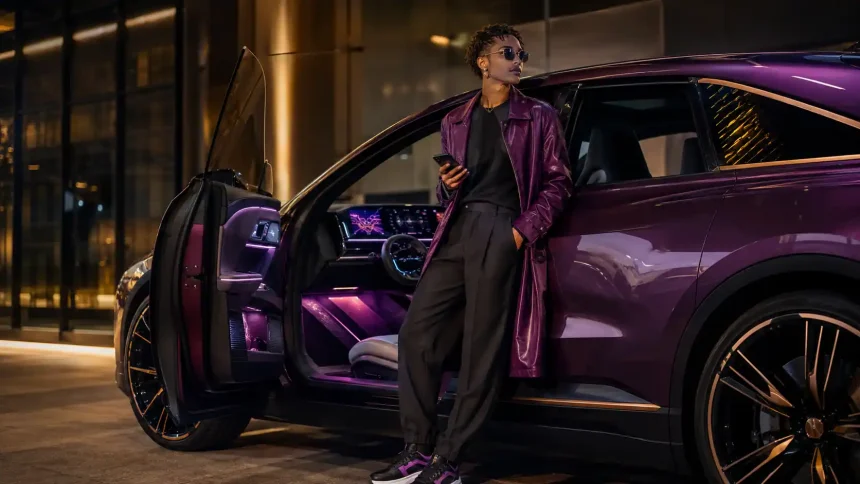
For much of modern history, fashion has been one of the clearest ways people communicate identity. Clothing, accessories and personal style choices help individuals express values, interests and aspirations without saying a word. Increasingly, however, self-expression is extending beyond wardrobes and into another highly visible part of everyday life: the automobile.
Cars have always carried cultural significance, but the relationship between motorists and their vehicles is evolving. Today’s drivers are not simply choosing transportation. They are selecting products, technologies and experiences that align with their lifestyles and personal identities. From subtle aesthetic modifications to digital customisation and lifestyle-driven purchasing decisions, vehicles are becoming increasingly important tools for self-expression.
The Car as a Reflection of Identity
The idea that vehicles communicate something about their owners is not new. For decades, motorists have associated certain models, brands and styles with particular values or social groups.
What has changed is the degree of personalisation available to consumers. Modern drivers have more opportunities than ever to shape how their vehicles look, feel and function.
In many ways, the car has followed a similar path to fashion. Consumers are moving away from purely functional decision-making and towards products that help communicate individuality. Just as people carefully curate personal style, many now take a similarly considered approach to vehicle ownership.
The result is a growing emphasis on uniqueness rather than standardisation.
Social Media’s Influence on Automotive Culture
The rise of social media has accelerated this trend considerably. Platforms centred on visual content have transformed the way people interact with automotive culture.
Vehicle owners regularly share modifications, road trips, detailing projects and customisation ideas with global audiences. What was once confined to local car clubs and enthusiast gatherings is now visible to millions of people online.
This exposure has broadened the definition of automotive personalisation. While performance upgrades remain popular among enthusiasts, aesthetic choices, lifestyle accessories and digital enhancements are increasingly important.
Consumers are inspired not only by manufacturers but also by fellow motorists who showcase unique approaches to vehicle ownership. The car has become another platform through which personal identity can be displayed and shared.
Beyond Physical Customisation
Traditionally, automotive personalisation focused on physical modifications. Wheels, paint finishes, body kits and interior upgrades allowed owners to distinguish their vehicles from others on the road.
Today, personalisation increasingly extends into the digital realm.
Many modern vehicles allow drivers to customise dashboard displays, user profiles, ambient lighting, entertainment systems and software interfaces. In connected vehicles, preferences can be stored in the cloud and carried across multiple journeys.
This shift reflects a broader consumer expectation that products should adapt to individual needs and tastes. Personalisation is no longer limited to appearance. It now includes the experience of interacting with the vehicle itself.
As automotive technology becomes more sophisticated, digital identity is becoming just as important as physical identity.
Lifestyle Shapes Vehicle Choice
Another significant development is the growing influence of lifestyle on purchasing decisions.
Consumers increasingly select vehicles that align with how they want to live rather than simply how they need to travel. Outdoor enthusiasts may gravitate towards adventure-oriented SUVs. Urban professionals often favour compact electric vehicles suited to city environments. Families may prioritise flexibility, comfort and technology features that support busy daily routines.
In each case, the vehicle serves as a reflection of broader lifestyle choices.
This trend is particularly visible among younger buyers, who often view purchases through the lens of personal values and identity. Sustainability, technology integration and design aesthetics frequently influence decisions alongside traditional factors such as performance and reliability.
The vehicle becomes part of a wider personal narrative rather than a standalone purchase.
The Enduring Appeal of Distinctive Details
While digital technologies continue to transform vehicles, physical identifiers remain an important aspect of personalisation culture.
Many motorists invest in details that help their vehicles feel distinctive without fundamentally altering the vehicle itself. Personalised accessories, carefully chosen finishes and individual styling choices all contribute to a sense of ownership and identity.
Even relatively subtle elements can carry significance. Companies such as Plates Express exist within this broader culture of vehicle personalisation, reflecting how drivers continue to seek ways to make their vehicles feel uniquely their own while maintaining practicality and compliance.
These choices may appear minor in isolation, but collectively they help owners create stronger personal connections with their vehicles.
The Future of Automotive Self-Expression
As the automotive industry moves towards greater connectivity, electrification and software-driven experiences, opportunities for personalisation are likely to expand further.
Future vehicles may offer increasingly sophisticated digital environments that adapt to individual preferences. Artificial intelligence could tailor vehicle settings automatically based on habits, schedules and driving behaviour. Subscription-based software features may allow owners to customise experiences long after purchase.
At the same time, the human desire for individuality is unlikely to change. Regardless of technological developments, people will continue seeking ways to express personality through the products they use every day.
Cars occupy a unique position in this landscape because they combine practicality, technology, design and emotion in a single product.
Conclusion
The relationship between people and their vehicles is becoming increasingly personal. Just as fashion allows individuals to communicate identity through appearance and style, modern automobiles provide new opportunities for self-expression through design, technology and lifestyle alignment.
From social media-driven customisation trends to digitally personalised driving experiences, the automobile is evolving into something more than transportation. It is becoming an extension of how people present themselves to the world.
As personalisation continues to shape consumer behaviour across industries, the driver’s seat is emerging as another space where identity, individuality and self-expression naturally come together.