A few leaves on the water or a thin layer of yellow pollen may not look serious at first. Many pool owners see small debris as an appearance issue, something to skim before guests arrive or before the kids jump in. But leaves, pollen, dust, insects, and fine dirt can affect more than the way a pool looks.
When organic material stays in the water, it can break down, clog baskets, reduce circulation, and make chlorine work harder. Fine particles may settle on the pool floor, collect around steps, or stick to the waterline. Over time, the water may look dull, hazy, or slightly cloudy even if there is no obvious pile of debris.
That is why physical cleaning should be treated as part of pool water quality, not just pool appearance. A cleaner pool surface, floor, and waterline make it easier for the filter and sanitizer to do their jobs.
How Leaves Break Down and Increase Chlorine Demand
Leaves are one of the most common backyard pool problems. They may float at first, but they do not stay harmless for long. Once they sit in the water, they begin to soften, break apart, and release organic material.
Organic Material Makes Chlorine Work Harder
Chlorine is meant to help sanitize the water, but it also has to react with organic contamination. When leaves, small twigs, flowers, and insects are left in the pool, they increase the workload on chlorine. The more organic matter in the water, the harder it can be to keep sanitizer levels stable.
This does not mean every leaf creates a water emergency. It means that waiting too long to remove debris can make regular water care more difficult.
Leaves Can Stain and Cloud the Water
Some leaves can leave behind color, tannins, or residue, especially if they sit on the pool floor or steps for too long. They can also contribute to dull or cloudy water by breaking into smaller pieces that are harder to remove.
Decaying Debris Can Support Algae Growth
When organic debris builds up and chlorine levels fall, algae risk can increase. That is why leaves should be removed early, especially after storms, windy days, or heavy tree drop.
Why Pollen Is So Hard to Remove From Pool Water
Pollen is frustrating because it is light, fine, and easy to mistake for something else. It may float on the surface, gather near corners, stick to the waterline, or move into the filtration system.
For families comparing a best rated pool vacuum, the right choice should help manage visible debris before it sinks, clogs baskets, or turns into a larger cleanup job. But pollen still requires more than vacuuming alone.
Pollen Floats, Sticks, and Slips Through Routine Cleaning
Pollen can form a yellow film on the water. It may also collect along pool edges where water movement is slower. Because it is so fine, some pollen can pass into baskets and filters, making cleaning more frequent during spring and summer.
Pollen Can Make Water Look Yellow or Cloudy
Pool owners sometimes confuse pollen with algae. Pollen is often yellow, powdery, and concentrated on the surface or near edges. Algae may make surfaces feel slippery or turn water green. The best response is not guessing. Check the water, clean the visible debris, and test chlorine and pH before adding chemicals.
Pollen Season Requires More Frequent Checks
During pollen season, quick daily skimming may be more effective than waiting for a weekly cleanup. Skimmer baskets, pump baskets, and robot baskets may also need more frequent attention.
Fine Debris Can Hide Until Water Clarity Drops
Fine debris includes dust, sand, soil, grass particles, hair, insect fragments, and small organic matter. It is less obvious than leaves, but it can be just as annoying.
These particles often settle in quiet spots: corners, steps, shallow areas, and the pool floor. They may also collect near drains or along the waterline. If they are stirred up by swimmers, the pool can suddenly look hazy even though it seemed clean earlier.
Fine debris can also reduce filtration efficiency if baskets and filters are not cleaned. When water flow slows, more particles stay suspended or settle back into the pool. That is when some owners start adding clarifier or shock without first checking whether the real problem is physical buildup, poor circulation, or a dirty filter.
A better approach is simple: remove what you can see, keep the filtration system clear, and test the water before choosing a chemical treatment.
Filtration and Water Testing Must Work Together
A clean pool depends on teamwork between physical cleaning, filtration, and balanced water chemistry. If one part is ignored, the others have to work harder.
Clean Baskets Before Blaming Chemicals
Skimmer baskets, pump baskets, and filter elements should be checked often when debris is heavy. A full basket can reduce water flow and make the pool look dull. Before assuming the water needs more chemicals, make sure the system can circulate properly.
Test Chlorine, pH, and Alkalinity Regularly
Leaves and pollen can affect sanitizer demand, but testing is the only way to know what the water actually needs. Chlorine, pH, and alkalinity should be part of the routine, especially after storms, heavy use, or garden work near the pool.
Use Clarifier or Shock Only When It Fits the Problem
Cloudy water can come from many causes, including filtration issues, chemical imbalance, algae, fine debris, or calcium buildup. Clarifier or shock may help in some situations, but they should be used according to product directions and test results, not as a guess.
Where Beatbot Sora 70 Fits Into Debris Control
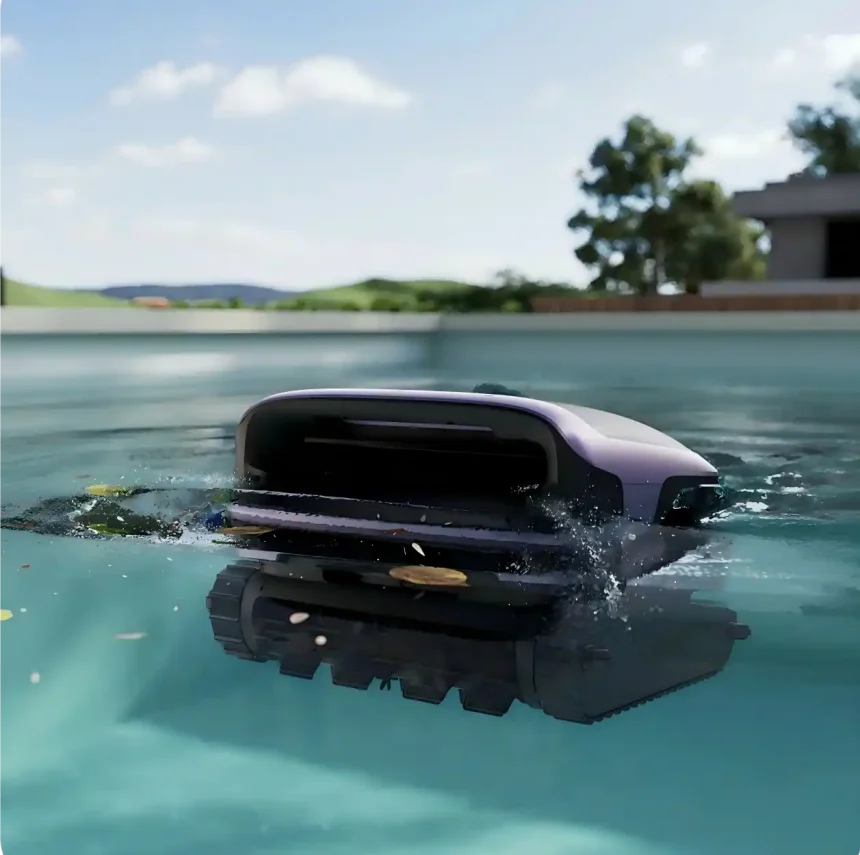
Beatbot Sora 70 fits naturally into pools that deal with leaves, pollen, and fine debris because many of these contaminants first appear on the water surface before moving into the rest of the pool. It is designed to clean the water surface, pool floor, walls, waterline, and shallow areas, which makes it useful for backyards where trees, grass, wind, flowers, and regular family use keep introducing small debris. After a windy afternoon, a pollen heavy morning, or a weekend of swimming, Sora 70 can help reduce the amount of manual skimming, vacuuming, and waterline brushing needed to reset the pool.
For homeowners comparing the best robotic pool cleaners, the key is choosing a model that matches where debris usually appears first. Sora 70 is especially relevant when surface debris is common, not just floor dirt. Still, it should be understood as a physical cleaning helper. It cannot replace chlorine, pH, or alkalinity testing. It also cannot replace the main filtration system, shock treatment, algae treatment, or professional water diagnosis. Large branches, stones, toys, and sharp objects should be removed by hand before cleaning.
A Practical Routine for Debris Filled Pool Seasons
During windy weather, start with the surface. Skim leaves, flowers, insects, and grass before they sink. Then check the waterline, corners, and skimmer basket. If debris has already settled, run a vacuum or robot cleaner after the larger pieces are removed.
During pollen season, use shorter, more frequent cleaning habits. Skim the surface, rinse baskets, and test the water more often than usual. Pollen can return quickly, so waiting too long often turns a small task into a frustrating one.
After family use, lawn mowing, or garden work, check the pool before the next day. Grass clippings, sunscreen residue, dirt, and small debris are easier to handle before they sink, break down, or clog the system.
Cleaner Water Starts With Removing What You Can See and Testing What You Cannot
Leaves, pollen, and fine debris affect pool water in both visible and invisible ways. Leaves add organic load. Pollen can affect clarity and filtration. Fine debris can settle quietly until the water starts looking dull.
The best routine is not based on one solution. It combines skimming, robotic cleaning, filtration, basket care, and regular water testing. Beatbot Sora 70 can help reduce the physical debris that makes pool care harder, especially when debris begins on the surface and then spreads to the floor, walls, waterline, and shallow areas.
Still, water quality depends on testing, sanitizer balance, filtration, and good timing. Clean what you can see early, test what you cannot see, and the pool will be easier to keep clear through the busiest parts of the season.