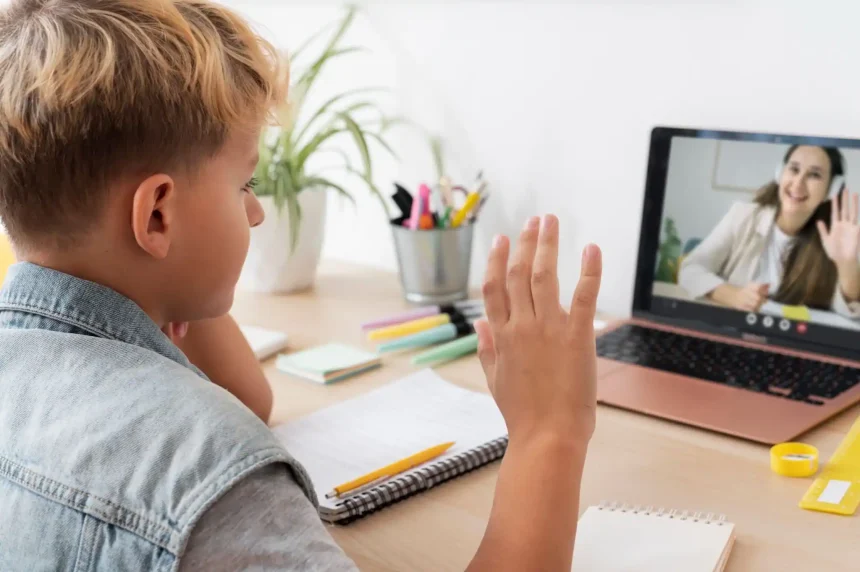
Students struggle with confidence. Even the ones that know how to do the work often don’t feel comfortable enough to put their hand up, ask questions or answer questions in class. This hesitation can compound over time and impact both learning and confidence.
Online tuition is one of the best ways to help students overcome this. No one knows how effective it is until they try it. It’s helped hundreds of thousands of students improve their grades. But it can also provide a safe environment to help students learn to find their voice again.
A Comfortable Learning Environment
The environment can be a huge advantage when it comes to online tuition. At home, kids don’t feel the pressure of a typical classroom. There’s no worry about what other kids think. There are no outside distractions.
This comfortable environment allows kids to be more vocal about their problems. They ask questions when they don’t understand something. As they grow accustomed to asking questions, they carry this behaviour into school with them.
Personalised Attention Builds Self-Belief
Traditional classrooms offer only a small slice of teacher time to each student. Online tutoring turns that model upside down. With the session completely customised, the tutor can spot gaps in their knowledge, reword explanations and go at whatever pace they need.
The feeling your students get when they start to grasp concepts that used to trip them up is empowering. Before they know it, they’ll start experiencing small successes. Cracking a problem on their own. As confidence grows, it comes from a place of genuine achievement rather than stress.
That’s the power of learning alongside experienced GCSE & A Level tutors. Breaking down topics into easy-to-follow steps.
Encouraging Active Participation
Online sessions are naturally more interactive than many expect. With one-to-one attention, students can’t fade into the background. Tutors often use targeted questions, discussions, and problem-solving exercises to keep students engaged.
Students may clam up at first. However, they learn to interact in a smaller, less intimidating environment. It’s good practise anyway – talking in class is similar but without the risk of embarrassing themself in front of their classmates.
They’ll find that they start to develop this confidence back at school. Many students start to participate more. They offer more ideas and are keen to answer or discuss topics.
Instant feedback reduces stress
Students don’t speak up in class because they are afraid they might get something wrong. They don’t have to worry about this during online tuition because they get instant positive feedback from their tutor, and there is less pressure.
When students make a mistake during their lessons, it’s no big deal. The tutor can instantly correct them and explain things in another way. This means students don’t let one misunderstanding lead to further confusion. Also, when the tutor constantly reassures the kids that it’s Ok to get something wrong, they start to believe it.
Building a Strong Tutor-Student Relationship
Trust can build confidence. Having a good relationship with a tutor means students feel safe and that they’re not being judged. Their tutor will learn the kids’ strengths and weaknesses, along with their personalities, as lessons continue. From there, they will figure out how to push and what will help them to improve naturally.
Developing Independent Learning Skills
Online tuition benefits stretch beyond pure attainment – students learn how to become more independent learners too. Tutors often teach students how to break down problems, revise efficiently and manage time effectively.
Learning these skills allows students to become less reliant on step-by-step guidance. They become more confident in their ability to learn by themselves.
Pressure doesn’t create confidence. Confidence takes time and comes from trust, positive reinforcement, and patience.
Online tuition allows students to give each of these elements in a concentrated way. You can ease their anxiety with a safe learning environment, give one-on-one support, and empower them to take risks.And as their confidence builds, you’ll see their classroom involvement and performance grow as well.