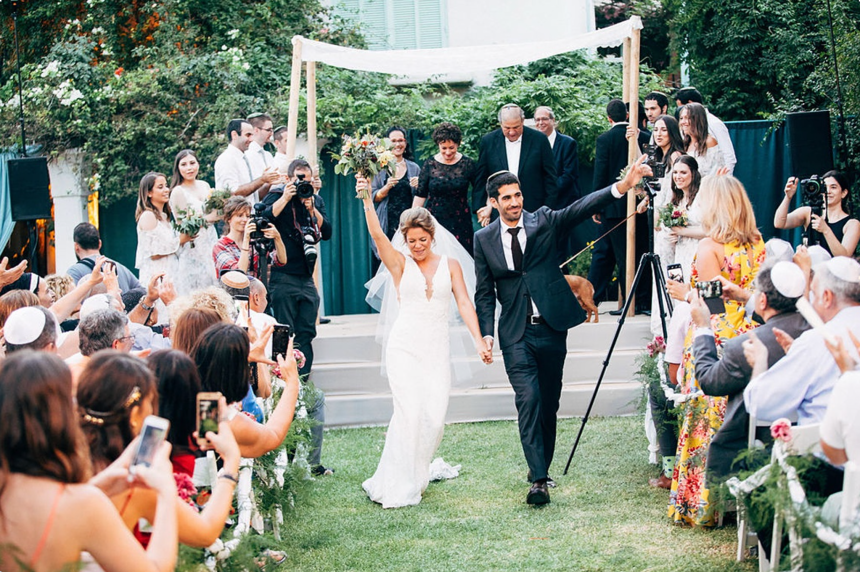
A wedding in Israel is more than just an event—it’s an experience filled with culture, emotion, history, and energy. From breathtaking Jerusalem views to vibrant Tel Aviv celebrations and scenic desert venues, Israel offers couples a wedding atmosphere unlike anywhere else in the world.
But while the destination itself is magical, planning a wedding in Israel comes with unique logistics, traditions, and decisions that require careful preparation.
Why Couples Choose Israel for Their Wedding
Israel has become a popular wedding destination for both local and international couples because it combines meaningful traditions with stunning modern celebrations.
Many couples are drawn to:
- Historic and spiritual locations
- Beautiful beachfront and outdoor venues
- Vibrant nightlife and entertainment
- Rich Jewish wedding traditions
- Destination-style experiences for guests
Wedding experts describe Israeli weddings as energetic, emotional, and deeply rooted in celebration and community.
Start With a Clear Vision
Before booking anything, decide what kind of wedding experience you want.
Ask yourselves:
- Elegant luxury or intimate gathering?
- Traditional Jewish wedding or modern celebration?
- Beachfront, vineyard, city, or desert setting?
- One-day wedding or full wedding weekend?
Wedding planners consistently recommend setting priorities early because it helps guide every other decision, from budget to venue selection.
Choosing the Right Venue
The venue sets the tone for the entire celebration. Israel offers a wide range of wedding locations, including rooftop spaces, luxury resorts, historic courtyards, and scenic outdoor venues.
When visiting venues, experts recommend asking:
- What is included in the package?
- Are there time or noise restrictions?
- Is there enough space for dancing and entertainment?
- What weather backup options exist?
- Are accommodations nearby for guests?
Popular venues in Israel often book far in advance, especially during peak wedding seasons.
Understanding Israeli Wedding Traditions
Israeli weddings often blend modern celebrations with traditional customs.
Common Jewish wedding traditions may include:
- The Ketubah signing
- The Chuppah ceremony
- The Bedeken (veiling ceremony)
- Breaking the glass
- The Hora dance celebration
Wedding traditions in Israel often vary depending on cultural background, religious level, and family customs.
Legal Considerations Matter
Israel’s marriage laws differ from many countries. Civil marriage is not currently performed inside Israel, and legal marriages are typically handled through religious authorities.
Couples planning a wedding in Israel should research:
- Required legal documentation
- Religious marriage eligibility
- Interfaith marriage options
- Recognition of international marriages
Understanding these details early prevents unnecessary stress later.
Why Hiring a Local Planner Helps
Planning remotely can become overwhelming quickly. Language barriers, vendor coordination, cultural differences, and time zones all add complexity.
Experienced wedding planners help manage:
- Venue selection
- Vendor coordination
- Guest logistics
- Timeline management
- Budget organization
Industry experts note that Israeli wedding planners often handle far more than scheduling—they coordinate the entire experience behind the scenes.
If you’re exploring options for a personalized celebration, you can learn more about planning a wedding in Israel with professional event support tailored to private celebrations and destination experiences.
Focus on Guest Experience
Destination weddings are not only about the couple—they’re also about creating a smooth experience for guests traveling to celebrate with you.
Important guest considerations include:
- Transportation between venues
- Hotel recommendations
- Clear schedules and communication
- Welcome events or activities
Wedding experts increasingly recommend creating a structured but relaxed guest experience, especially for multi-day celebrations.
Build a Realistic Wedding Timeline
One of the biggest mistakes couples make is underestimating how much time wedding logistics actually require.
Experts suggest allowing extra time for:
- Hair and makeup
- Transportation delays
- Ceremony transitions
- Photography sessions
- Cultural or religious traditions
Building flexibility into the schedule helps the day feel smooth instead of rushed.
Budget Carefully and Prioritize
Wedding costs can increase quickly, especially for destination celebrations.
Wedding experts recommend:
- Setting a clear budget early
- Prioritizing what matters most
- Leaving room for unexpected expenses
- Tracking all vendor costs carefully
Budget planning is one of the most important parts of reducing wedding stress.
Don’t Try to Control Everything
No wedding goes perfectly—and that’s normal.
Unexpected weather, scheduling changes, or small logistical issues can happen. Wedding professionals consistently advise couples to focus on the overall experience rather than perfection.
The best weddings are often the ones where couples stay present and enjoy the moment instead of obsessing over every detail.
Conclusion
Planning a wedding in Israel combines breathtaking locations, rich traditions, and unforgettable celebrations into one extraordinary experience. While destination weddings require thoughtful coordination, the right planning approach makes the process far more manageable.
With a clear vision, realistic expectations, and the right professional support, couples can create a celebration that feels personal, seamless, and truly unforgettable.