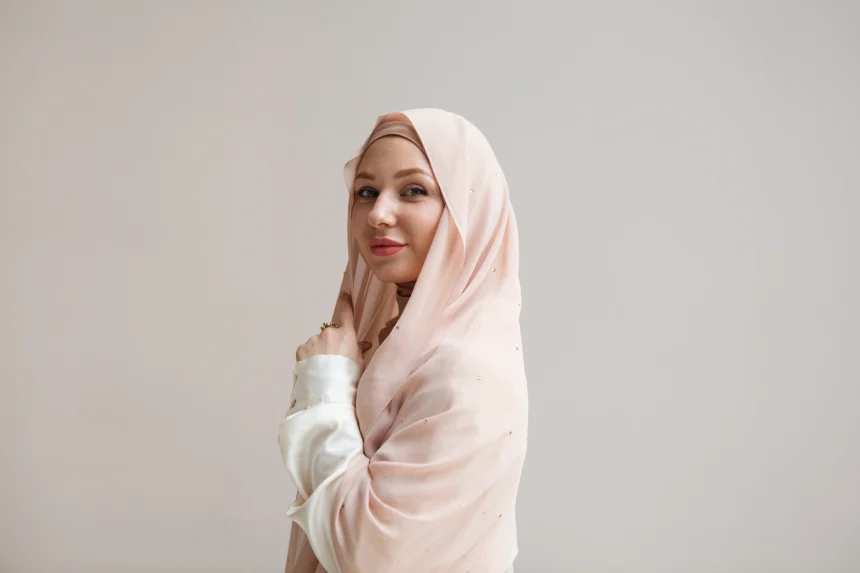
Sudanese toub remains one of the most durable traditional garments around. The fabrics used in these pieces have changed bit by bit over the years to keep the old ways while making them practical for today. For importers, wholesalers, and fabric buyers, knowing what makes a good toub fabric matters for how it looks, how easy it is to work with in production, how customers feel about it, and how well it sells later. Sourcing also needs to follow basic sustainability rules with proper certifications.
In places like Khartoum, Dubai, and East Africa, buyers pick fabrics based on how they hold up in hot weather, how they drape when worn, how they survive washing, whether colors stay true, and now more often whether they come from GOTS or OEKO-TEX certified cotton with safer dyes. In 2026, people focus more on the actual designs, prints, and solid fabric quality instead of chasing big brand names.
Key Fabric Properties That Define Sudanese Toub Quality
Cotton Voile for Daily Wear and High-Volume Orders
Cotton voile stays the main choice. It feels light and soft with good airflow. In factory checks, thread density and GSM make a clear difference in how the fabric drapes. Rolls where the thread count varies can show wrinkles after wrapping the toub.
Some basic points that show up during sample checks include:
·Fiber content: Pure cotton or cotton-poly blends. Finer fibers feel nicer; polyester adds some strength. Getting cotton from certified sustainable sources helps with ESG requirements.
·GSM (weight): Usually 80–120 gsm. Lighter ones let air through better but need gentle handling; heavier ones drape nicely but take more care.
·Weave consistency: Yarns with higher twist help avoid snags, which matters a lot when cutting fabric for big orders.
If GSM or thread density differs between shipments, it can cause problems later. For example, one batch from Khartoum showed up to 2% difference in shrinkage after 60°C washes, which affected the final garments. Many buyers keep sample rolls on hand for testing before placing large orders. Supplier Quality Control reports and third party checks keep shipments consistent.
Swiss Voile for Premium and Ceremonial Toub Collections
Swiss voile comes with a tighter weave, smoother finish, and clearer prints. Main points include:
·Surface smoothness: Helps with sharp digital prints.
·Dimensional stability: Cuts down on pattern shifts during cutting.
·Moisture regain: A bit higher than regular cotton voile, which changes how dyes take and how the fabric feels.
This type usually goes into ceremonial or higher-end collections where the look needs to stay precise. Buyers normally ask for test reports and real certificates to confirm the quality.
Performance Metrics for B2B Buyers
Wholesale buying needs more than just feeling the fabric. Clear numbers show how it will perform in the factory and in normal use.
| Specification | Relevance |
| GSM | Impacts drape, folding, packaging, and comfort |
| Thread count | Affects durability and print clarity |
| Shrinkage | Determines dimensional consistency post-wash |
| Dye absorption | Ensures color uniformity across production lots |
| Tensile strength | Prevents tearing during cutting, sewing, and shipping |
In one inspection in Omdurman, tensile tests found that some rolls with lower thread twist broke under machine pull. Having these numbers ahead of time lets buyers spot potential issues and pick suitable lots or adjust order sizes.
Market Trends Shaping 2026 Demand
Subtle Prints and Soft Shades for Modern Toub Buyers
Softer colors and simple prints lead most bulk orders now. Fine patterns help hide small weave issues that stand out more in strong bold designs. Delicate florals, gentle geometric shapes, and natural earth tones turn up most often in production.
Digital Printing and Screen Printing for Different Order Types
Digital printing works well for smaller runs or mixed colors:
·Quicker setup than screen printing
·Less waste
·Clean results on lighter to medium voile
Buyers often check color matching between the two methods on samples. Some lighter voile lots take ink unevenly, so testing before full production remains standard.
Practical Procurement Scenarios for Wholesale Buyers
Certain situations come up often with B2B buyers working on Sudanese toub fabrics:
·Pre-production sample testing: This covers drape checks, shrinkage tests, and wash runs. Even small shrinkage differences across a dye lot can throw off the finished wraps.
·Factory inspection: Watching the looms, yarn tension, and color processes helps avoid surprises in big deliveries.
·Shipping and storage: How rolls get folded or packaged affects warehouse work. Larger buyers pay attention to packaging to stop fabric from changing shape.
One importer in Nairobi kept a small sample area to compare different batches over time and keep the final products feeling and looking the same.
Matching Fabric Selection with Collection Positioning
·Daily wear collections: Mid-weight cotton voile and stable color, moderate print density. Comfortable in hot climates and durable under repeated washing.
Ceremonial or premium: lines Swiss voile or finer blends with a focus on drape, print fidelity, and surface quality.
·Custom collections: Subtle embroidery or embossed textures added to select rolls. These require extra coordination with production teams to prevent misalignment.
Combining actual measurements with visual checks and real-use trials helps buyers balance cost, quality, and what the market wants.
Applying Technical Insight to Sourcing Decisions
Suppliers should provide:
·Batch-level GSM and shrinkage data
·Tensile and colorfastness results
·Sample swatches with clear roll identification
How Jinlai Textile Supports Consistent Toub Fabric Sourcing
Jinlai Textile provides fabrics accompanied by technical datasheets, sample rolls, and batch QC reports. Buyers using these deliverables can:
·Verify GSM, thread count, and shrinkage for each dye lot.
·Assess drape and hand feel when they are worn in the real world.
·Compare print fidelity for subtle patterns or digital designs
·Plan production volume according to batch availability
These reference materials help forecast results before committing to large orders, manage storage space, and align production with sales.
Conclusion
By 2026, sourcing toub materials from Sudan will require consideration of the quality of raw materials, fabric weaves, the accuracy of prints, performance metrics, and fundamental sustainability. Pre-production testing, detailed QC reports, sample reviews, and supplier checks make the process smoother and clearer.
B2B buyers who use technical sheets, quality documents, and samples from suppliers like Jinlai Textile can plan production with more confidence, keep quality even across their lines, and meet basic ethical sourcing needs.
Engaging with Jinlai Textile gives access to technical support, proper certifications, and organized quality processes that support both daily operations and longer-term goals.
Secure Your Samples and Pattern Access
Reduce sourcing risks for your 2026 collections with Jinlai Textile. Access our active supply line and official resources below:
·Request a Custom Sample Kit – Contact Jinlai Textile to obtain certified Swiss and Cotton Voile sample rolls (80–120 GSM) with official technical datasheets tailored to your production needs.
·Access the Product Catalog – Contact the Jinlai Textile team for a full collection of voile fabrics and 2026 print patterns tailored for volume and custom orders.
FAQ
Q1: What technical parameters are essential when sourcing toub fabrics?
A GSM, thread count, shrinkage, tensile strength, and dye absorption are critical for drape, comfort, and durability.
Q2: What performance differences are there between cotton voile and Swiss voile?
Cotton voile is lighter and more breathable; Swiss voile has a denser weave and better surface smoothness for high-fidelity prints.
Q3: Which printing methods suit toub fabrics for bulk production?
Digital printing offers accurate color reproduction and reduces material waste on light to mid-weight voile.
Q4: What can I do to ensure consistency across various rolls and shipments?
Obtain batch-level technical data, carry out pre-production tests, and establish partnerships with suppliers offering complete traceability and QC documentation.
Q5: How do environmental conditions affect fabric performance?
Pre-wash testing combined with simulated heat and humidity exposure helps predict real-world shrinkage and drape behavior in East African climates.