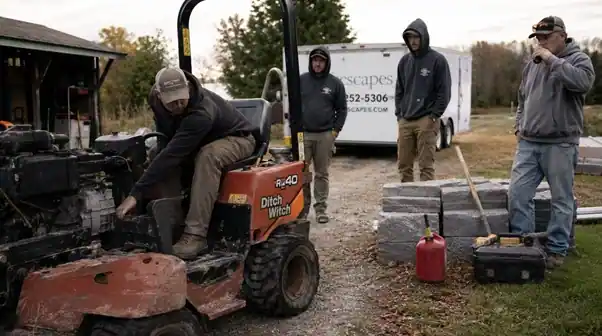
The crew is on-site. Materials are ready. The customer is waiting for progress. You turn the key on the diesel machine you rely on every day.
The engine turns over, but it does not start.
You try again.
Still nothing.
Now it is no longer just a machine problem. People are waiting, the schedule is slipping, and a small delay is starting to affect the whole job.
The frustrating part is that the machine may have seemed fine yesterday. Maybe it took a little longer to start. Maybe it smoked more than usual. Maybe it burned fuel faster than before. These small signs are easy to ignore until the equipment refuses to work.
Diesel machines rarely become hard to start for one single reason. Fuel condition, filters, battery health, cold weather, storage habits, and fuel delivery parts can all play a role.
Fuel Quality Matters More Than Many Owners Think
If there is diesel in the tank, it is easy to assume the fuel is fine.
But fuel that sits too long can collect moisture, sediment, dust, or other contaminants. It may still look usable, but it may not burn as cleanly once it reaches the engine.
That can make the machine feel weaker, smoke more, and use fuel faster. You pay for the diesel, but less of it turns into useful work.
Poor combustion can also affect the working environment. If the machine produces heavier smoke or stronger odors, especially in a poorly ventilated area, it is better to stop and inspect the cause instead of forcing it to keep running.
If a project is nearly finished and the equipment may sit unused for weeks, avoid filling the tank more than necessary. Before using stored equipment again, watch for cloudy fuel, unusual odors, rough running, smoke, or slow response.
Dirty Filters Can Make the Problem Worse
Filters do not always fail suddenly. They often make the machine worse little by little.
A clogged fuel filter can limit steady fuel flow. A dirty air filter can reduce the air needed for proper combustion. Either problem can lead to weaker performance, more smoke, and higher fuel use.
Equipment used in dusty job sites, farms, or landscaping work may need filter attention more often. Poor fuel quality can also shorten fuel filter life.
When starting becomes slower or fuel use rises, filters are one of the simplest places to begin.
Fuel Delivery Affects Engine Performance
Fuel in the tank is only the beginning. A diesel engine also needs that fuel to reach the combustion chamber at the right time and in the right amount.
The final step of that process often depends on the fuel injector. It helps deliver fuel into the engine in a controlled pattern so combustion can stay stable.
If it becomes worn, clogged, or affected by contaminated fuel, the machine may start poorly, idle unevenly, smoke more, or lose power. Still, it should not be blamed too quickly. A clogged filter, weak fuel pump, air in the lines, or bad fuel can create similar symptoms.
If replacement becomes necessary, fitment matters. The same equipment brand may have many models, and parts are not always interchangeable. Machine model, engine model, and old part number make the search much safer. Suppliers such as Fab Heavy Parts organise replacement components by engine model and part number, which can help confirm fitment before ordering.
Battery and Cold Weather Can Expose Weak Points
Sometimes the engine is not failing. It simply is not turning fast enough.
Diesel engines need strong cranking power. An aging battery, low charge, loose terminal, or poor cable connection can stop the starter from spinning the engine properly.
Cold weather makes this worse. Battery output drops, fuel moves less easily, and the engine takes more effort to turn.
Many diesel machines use glow plugs, intake heaters, or block heaters to help with cold starts. If your equipment has a preheat procedure, follow the manual instead of repeatedly cranking the engine.
Long Storage Can Create Its Own Problems
Some machines are not worn out from work. They suffer from sitting.
Farm equipment, landscaping machines, backup units, and small construction equipment may sit for weeks or months between uses. During that time, fuel can degrade, batteries can discharge, and small problems can stack up unnoticed.
Before storage, clean off mud and debris, park the machine in a dry sheltered place, avoid leaving excess fuel in the tank, check for leaks or damaged wiring, and take care of the battery.
When bringing stored equipment back, do not stop at “it starts.” Listen to the engine, watch the exhaust, check the idle, and pay attention to how it responds under light work.
Simple Records Save Time Later
When equipment fails, the repair is not always the slowest part. Often, it is trying to remember what was done last time.
When was the fuel filter changed? How old is the battery? What engine model does the machine use? What part number was ordered before?
A simple log can help. Track the machine model, engine model, service dates, replaced parts, old part numbers, and purchase history.
If the same fuel contamination or injector-related issue appears again and again, learning the best practices for cleaning and maintaining fuel injectors can be more useful than waiting for another breakdown.
Conclusion
Diesel equipment usually gives warnings before it refuses to start: slower cold starts, more smoke, higher fuel use, or rough running after storage.
The best response is not to guess at one failed part. Start with the basics: fuel condition, filters, battery health, storage habits, and the fuel delivery system.
When a machine is stuck on-site, every minute feels expensive. Catching small issues earlier can make the next start much easier.