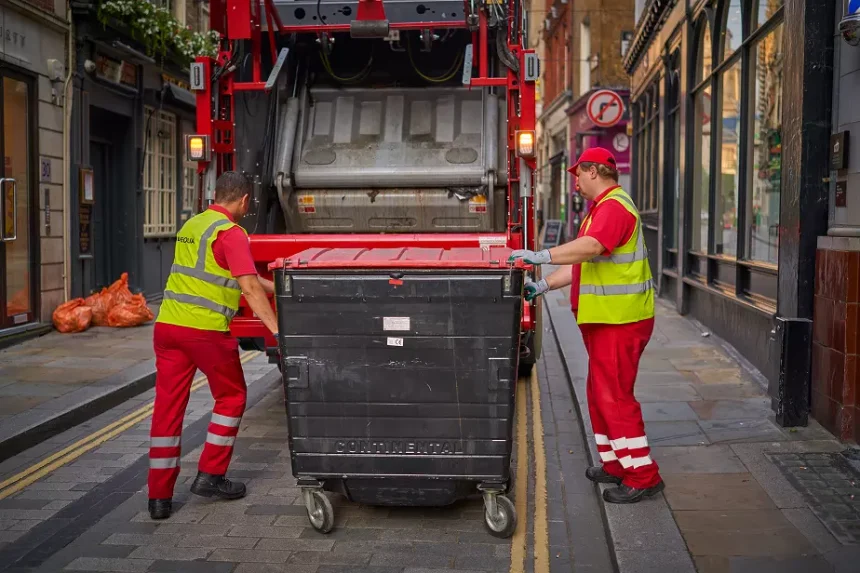
Food waste is a challenge that affects businesses across nearly every industry in the UK. From restaurants and hotels to supermarkets and office buildings, large quantities of organic waste are generated daily. While many organisations focus on reducing operating expenses and improving efficiency, food waste often remains an overlooked cost that impacts both financial performance and environmental responsibility.
What many businesses fail to recognise is that food scraps are no longer considered useless waste. Modern recycling and recovery systems allow organic materials to be transformed into valuable resources such as renewable energy, compost, and agricultural fertilisers. By changing how food waste is managed, businesses can reduce landfill dependence, improve sustainability outcomes, and support a more circular economy.
Understanding the Value Hidden in Food Waste
Food waste includes a wide range of organic materials, from fruit and vegetable trimmings to expired products and leftovers from customer meals. These materials are often discarded without consideration of their potential value. When food waste is mixed with general rubbish, businesses lose an opportunity to contribute to resource recovery while also increasing disposal costs.
Landfill disposal creates environmental concerns because decomposing food waste releases methane, a greenhouse gas that contributes to climate change. As awareness of environmental issues continues to grow, businesses are increasingly expected to minimise waste and adopt more sustainable practices. Proper food waste management is one way to demonstrate environmental responsibility while reducing unnecessary waste.
Viewing food waste as a resource rather than a burden creates new opportunities for organisations. Through effective collection and processing systems, discarded organic materials can become useful products that support agriculture, renewable energy generation, and soil improvement. This shift in perspective often forms the foundation of a successful sustainability strategy.
Why UK Businesses Are Prioritising Food Waste Management
Sustainability has become a major consideration for businesses of all sizes. Customers, investors, employees, and regulators increasingly expect organisations to take measurable steps toward reducing their environmental impact. Food waste management has emerged as a practical area where businesses can demonstrate meaningful action.
Many organisations now include waste reduction goals within broader environmental, social, and governance initiatives. Effective food waste practices help businesses align with these objectives while also supporting operational improvements. For industries that generate significant amounts of organic waste, such as hospitality and retail, these efforts can make a noticeable difference.
Food waste management also supports corporate reputation. Consumers are becoming more conscious of how businesses handle environmental responsibilities, and organisations that invest in sustainable waste practices often strengthen trust among customers and stakeholders. This growing focus on accountability continues to drive improvements across multiple sectors.
How Food Waste Becomes a Useful Resource
Advances in waste processing have created several effective methods for converting food waste into valuable products. One of the most important solutions is anaerobic digestion, a process that breaks down organic materials in oxygen-free environments. This process produces biogas that can be used to generate electricity, heat, or renewable fuel.
Another common solution is composting. Through controlled decomposition, food waste is transformed into nutrient-rich compost that improves soil health and supports agricultural production. Composting helps return valuable nutrients to the environment rather than allowing them to be lost through landfill disposal.
To support these recovery systems, businesses often partner with specialist food waste collection providers. These services ensure organic waste is separated, transported, and processed correctly. Reliable collection systems make it easier for organisations to divert waste from landfill while contributing to renewable energy production and sustainable resource management.
Practical Steps for Implementing a Food Waste Strategy
Creating an effective food waste strategy begins with understanding where waste is generated within the business. Conducting regular waste assessments helps identify patterns, highlight inefficiencies, and reveal opportunities for improvement. This information allows organisations to make informed decisions about waste reduction and recycling initiatives.
Employee engagement is another essential component of a successful program. Staff members should receive clear guidance on waste separation procedures and understand why food waste recycling matters. Consistent training and communication can improve participation rates and reduce contamination within recycling streams.
Businesses should also evaluate purchasing and inventory management processes. Excess ordering, poor stock rotation, and inaccurate forecasting often contribute to avoidable food waste. Improving these operational practices not only reduces waste generation but can also lead to significant cost savings over time.
The Financial Benefits of Better Food Waste Management
Although environmental considerations often drive food waste initiatives, the financial advantages can be equally important. Separating food waste from general rubbish frequently reduces the amount of waste sent to landfill, which can lower disposal costs and improve overall waste management efficiency.
Reducing food waste at the source can also improve purchasing decisions and inventory control. When businesses understand how and why waste occurs, they are better positioned to adjust ordering practices and minimise unnecessary spending. These operational improvements often contribute directly to profitability.
Supporting a Circular Economy Through Food Waste Recovery
The circular economy aims to keep materials and resources in productive use for as long as possible. Food waste recovery aligns closely with this goal by transforming discarded organic materials into products that provide ongoing value rather than becoming environmental liabilities.
When food waste is converted into renewable energy, compost, or fertiliser, resources remain within the economic cycle instead of being lost to landfill. This approach reduces pressure on natural resources while creating environmental and economic benefits across multiple industries.
Businesses that participate in food waste recycling contribute to wider sustainability efforts that support resource efficiency and responsible consumption. As circular economy principles become increasingly important, organisations that embrace these practices position themselves as forward-thinking leaders within their industries.
Conclusion: Building a More Sustainable Future
Food waste management is no longer simply about disposal. It represents an opportunity for businesses to reduce costs, improve sustainability performance, and contribute to resource recovery systems that create tangible environmental benefits. Every organisation has the ability to make meaningful improvements through better waste management practices.
By adopting effective food waste strategies, partnering with reliable service providers, and engaging employees in sustainability initiatives, UK businesses can play an important role in reducing waste and supporting a more circular economy. Turning food scraps into valuable resources is both a practical business decision and a positive step toward a more sustainable future.