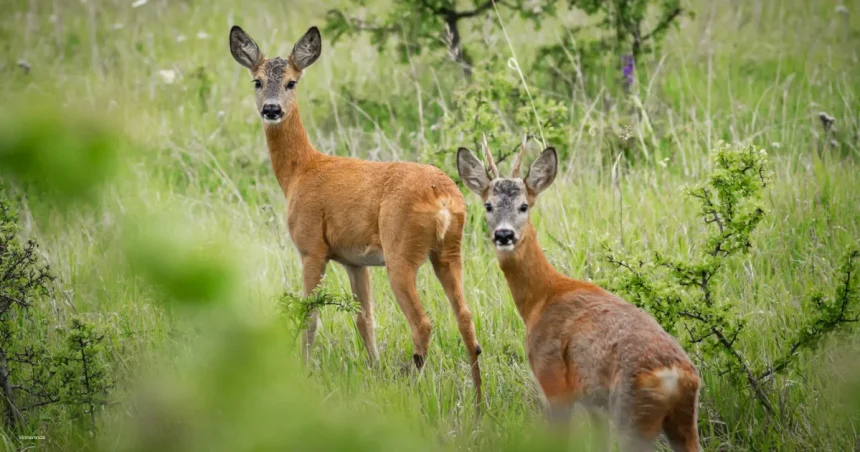
In Norway, wildlife conservation and management are guided not only by national regulations but also by local committees known as Viltnemnda. These municipal wildlife boards play an important role in ensuring that the relationship between humans and wild animals remains balanced, ethical, and sustainable.
What Is Viltnemnda?
The term “Viltnemnda” comes from Norwegian, where vilt means “wildlife” and nemnda means “committee.” In essence, it is a local government body responsible for managing wildlife-related issues within a municipality.
Viltnemnda operates under Norway’s national wildlife laws, but each municipality adapts its committee’s responsibilities according to local needs. The main purpose is to handle wildlife conservation, hunting regulation, and response to incidents involving wild animals.
Key Responsibilities of Viltnemnda
1. Managing Hunting and Wildlife Populations
Viltnemnda helps control and regulate local hunting activities. It ensures that hunting quotas, permits, and seasons are aligned with sustainable wildlife management principles. This keeps animal populations healthy and avoids over-hunting or ecological imbalance.
2. Handling Injured or Dead Wildlife
When animals are injured or killed—often due to traffic accidents or natural causes—Viltnemnda is responsible for coordinating the response. The committee decides whether animals should be rescued, euthanized, or removed safely from roads and populated areas.
3. Supporting Conservation Efforts
Viltnemnda plays a role in local conservation planning by monitoring species, collecting data, and advising on land use that affects wildlife. They also collaborate with hunters, landowners, and environmental groups to promote responsible coexistence.
4. Advising the Municipality
These committees advise local governments on policies concerning wildlife, hunting zones, and ecosystem management. Their recommendations help shape regulations that balance human needs with nature preservation.
Structure of the Committee
Viltnemnda typically consists of several members appointed by the local council. The members often include:
- Experienced hunters or wildlife experts familiar with local species and terrain.
- Municipal officials who handle environmental policy.
- Citizen representatives to ensure public perspectives are considered.
The committee meets regularly to discuss issues such as hunting permits, wildlife incidents, and ecological monitoring results.
Common Activities of Viltnemnda
- Organizing Wildlife Inspections: Monitoring animal populations and habitat conditions.
- Responding to Public Reports: Handling calls about injured, sick, or stray wild animals.
- Managing Conflicts: Addressing cases where wild animals damage property or pose risks.
- Training and Coordination: Working with search teams, police, and local hunters for wildlife tracking and rescue.
- Public Education: Raising awareness about safety and ethical hunting practices.
Challenges Faced by Viltnemnda
Limited Resources
Some municipalities have small budgets and few personnel to handle growing wildlife-related responsibilities.
Public Awareness
Not everyone knows how or when to contact Viltnemnda after wildlife accidents. Increasing education and communication remain priorities.
Climate Change and Urban Expansion
Shifting habitats and growing human activity bring wildlife closer to towns, making management more complex.
Balancing Conservation and Hunting
Viltnemnda must find the right balance between preserving biodiversity and maintaining traditional hunting practices that are part of Norway’s cultural heritage.
Why Viltnemnda Matters
Norway’s vast wilderness is home to a rich variety of species—from moose and deer to birds and small mammals. Without structured local management, wildlife populations could suffer from overhunting, disease, or habitat loss.
Viltnemnda ensures that:
- Wildlife populations remain healthy and sustainable.
- Human–animal conflicts are managed safely.
- Hunting is conducted ethically and lawfully.
- Injured animals receive humane treatment.
These committees represent a practical model of community-based wildlife governance — empowering local experts and citizens to make informed decisions for the environment.
Conclusion
Viltnemnda is a cornerstone of Norway’s wildlife management system. It bridges national policy with local action, ensuring that every community takes responsibility for the animals and ecosystems within its borders.
Through careful oversight, collaboration, and a commitment to sustainable practices, Viltnemnda helps preserve Norway’s natural heritage for future generations while maintaining respect for its strong hunting traditions and outdoor culture.
For more new latest articles visit vents magazine.